
Qing Wen Bai Du Yin
Clear Epidemics and Overcome Toxins Decoction
- Category
- Formulas that Clear Heat
- Subcategory
- Formulas that Clear Heat and Relieve Toxicity
- Ingredients
- 14 herbs
Actions
What does Qing Wen Bai Du Yin do?
Qing Wen Bai Du Yin (Clear Epidemics and Overcome Toxin Decoction) drains fire, cools the blood, and resolves fire toxin when a severe epidemic warm-heat toxin is blazing across the qi level AND the nutritive/blood level at the same time — the most severe stage of a warm-febrile epidemic disease, described in Yu Lin's 1794 treatise Yi Zhen Yi De (Achievements Regarding Epidemic Rashes).
The formula is built as a synthesis of three classic formulas, each contributing to one part of the pattern:
- Bai Hu Tang core (Shi Gao, Zhi Mu, Gan Cao): Shi Gao, used here in very large amount, is chief — it drains intense fire and clears heat from the qi level, addressing the high fever and thirst; Zhi Mu supports it while protecting fluids.
- Huang Lian Jie Du Tang core (Huang Lian, Huang Qin, Zhi Zi): drains fire toxin from all three burners (Huang Lian — Heart/Middle Burner fire; Huang Qin — Upper Burner/Lung fire; Zhi Zi — fire from all three burners, guided downward via urination). Huang Bai, the fourth herb of the parent formula, is not part of this composition.
- Xi Jiao Di Huang Tang core (Xi Jiao/Shui Niu Jiao, Sheng Di Huang, Mu Dan Pi, Chi Shao): cools and invigorates the blood, resolves toxin at the blood level, and addresses reckless bleeding and blotchy macules by clearing heat that is forcing blood from the vessels.
- Supporting herbs: Xuan Shen nourishes yin and cools the blood while benefiting the throat; Lian Qiao clears toxin and disperses heat nodulation; Jie Geng carries the other herbs upward to the chest and throat; Dan Zhu Ye clears heat from the Heart, calms irritability, and drains heat via the urine; Gan Cao harmonizes the formula and moderates the very cold, mineral-heavy Shi Gao.
Source: this site’s own composition record (the composition record — 14 herbs, no Huang Bai) + Bensky & Barolet, Formulas & Strategies (three-formula synthesis logic) + multiple online sources (cross-check on ingredient list). Traditional-use framing; not medical advice.
Indications
What is Qing Wen Bai Du Yin used for?
Qing Wen Bai Du Yin treats severe epidemic warm-heat toxin blazing simultaneously at the qi level and the nutritive/blood level — the most critical stage of a warm-febrile epidemic disease, when heat has overwhelmed the body's ability to contain it at a single level and is damaging fluids, disturbing the Heart/spirit, and forcing blood from the vessels.
Its classic clinical presentation:
- Qi-level heat: high, sustained fever, intense thirst, and a strong, forceful sensation throughout the body.
- Severe toxin and disturbed spirit: severe, often throbbing headache, extreme irritability, restlessness, and in severe cases delirium or clouded consciousness.
- Nutritive/blood-level involvement: blotchy macular rashes and reckless (uncontrolled) bleeding from any orifice — nosebleed, bloody stool, bloody urine, or bleeding gums — from heat forcing blood out of the vessels.
Tongue and pulse: a deep crimson (dark red) tongue, often dry with a yellow-black or prickly coat; the pulse is rapid and, reflecting the combined qi-and-blood involvement, is described as either surging and forceful (qi level) or deep, thin, and rapid (blood level) depending on where the heat is most concentrated.
Source: Bensky & Barolet, Formulas & Strategies + multiple online sources (tongue/pulse cross-check). Traditional-use framing; not medical advice.
Western Uses:
What is Qing Wen Bai Du Yin used for in modern practice?
In modern practice Qing Wen Bai Du Yin is referenced for the traditional pattern of severe, feverish epidemic illness with rash or bleeding tendency — historically applied to conditions such as epidemic febrile diseases, scarlet fever, and hemorrhagic presentations, and referenced in more recent Chinese clinical literature alongside conventional care for sepsis and, during 2020, as an adjunctive consideration in COVID-19 protocols because of its traditional fire-toxin-draining, blood-cooling action.
These biomedical correlates are offered as a reference to the formula's traditional use, not as a claim that it treats any disease. The available research is overwhelmingly mechanistic/preclinical and a sepsis systematic-review protocol; robust completed clinical-trial evidence in English-language literature is limited (see research). Any use for a diagnosed condition, especially a critical illness such as sepsis, belongs with a qualified practitioner and appropriate emergency medical care — this formula addresses a traditionally life-threatening pattern and was never intended as a stand-alone home remedy.
Source: traditional-use correlates summarized from Bensky & Barolet, Formulas & Strategies, and the research literature below; reference only, not a treatment claim.
Ingredients
14 substances in Qing Wen Bai Du Yin — each links to its full herb monograph.
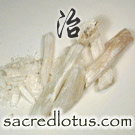 Shi Gao60-120 gDrain Fire
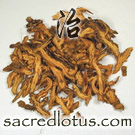 Huang Lian6-12 gClear Heat and Dry Dampness
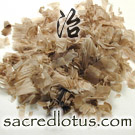 Xi Jiao9-12 gCool the Blood
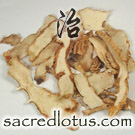 Zhi Mu6-12 gDrain Fire
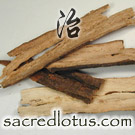 Chi Shao6-12 gCool the Blood
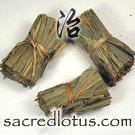 Dan Zhu Ye3-6 gDrain Fire
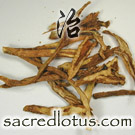 Huang Qin3-9 gClear Heat and Dry Dampness
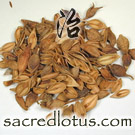 Lian Qiao6-12 gClear Heat and Eliminate Toxins
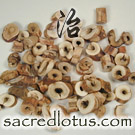 Mu Dan Pi6-12 gCool the Blood
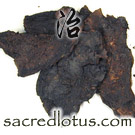 Sheng Di Huang9-15 gCool the Blood
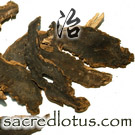 Xuan Shen6-12 gCool the Blood
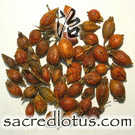 Zhi Zi6-12 gDrain Fire
 Gan Cao3-6 gTonify Qi
 Jie Geng3-6 gWarm Herbs that Transform Phlegm-Cold
Preparation & dosage
How is Qing Wen Bai Du Yin prepared?
Qing Wen Bai Du Yin is taken as a decoction, with Shi Gao cooked first. Because Shi Gao is a dense mineral, it is simmered for 15-20 minutes on its own before the remaining herbs are added, to properly extract its heat-clearing action.
- Xi Jiao substitution: Xi Jiao (rhinoceros horn) is from an endangered species and is not used in contemporary practice. Shui Niu Jiao (water buffalo horn), powdered or shaved, is the standard substitute, at roughly 30-120 g — several times the classical Xi Jiao dose.
- Shui Niu Jiao handling: when substituted, Shui Niu Jiao is typically simmered separately for about 20 minutes, together with the Shi Gao, before being combined with the rest of the decoction.
Source: this site’s own record the preparation section (formula composition notes) + Bensky & Barolet, Formulas & Strategies (endangered-species substitution convention). Reference only, not medical advice.
Decoction; Shi Gao cooked first (15-20 min) before remaining herbs are added. Reference relative amounts (ranges reflect the severity of the presentation): Shi Gao 60-120 g (chief); Shui Niu Jiao 30-120 g (substituted for the endangered Xi Jiao, simmered separately/with the Shi Gao); Sheng Di Huang 9-15 g; Zhi Mu 6-12 g; Mu Dan Pi 6-12 g; Chi Shao 6-12 g; Xuan Shen 6-12 g; Huang Lian 6-12 g; Zhi Zi 6-12 g; Lian Qiao 6-12 g; Huang Qin 3-9 g; Gan Cao 3-6 g; Dan Zhu Ye 3-6 g; Jie Geng 3-6 g. Reference only; a formula of this severity/potency is dosed and monitored by a qualified practitioner, not self-administered.
Safety — read before use
What are the cautions for Qing Wen Bai Du Yin?
Qing Wen Bai Du Yin is an aggressively cold, draining formula reserved for the most severe fire-toxin patterns and is inappropriate for anything less than genuine excess heat. Its very large dose of mineral Shi Gao combined with multiple bitter-cold, fire-draining herbs (Huang Lian, Huang Qin, Zhi Zi) can injure Spleen/Stomach yang and digestion if used where heat is mild or absent.
- Contraindicated in yang deficiency and Spleen/Stomach weakness — the formula's cold, draining nature will aggravate deficiency-cold presentations.
- Not for ordinary colds or mild fevers — this is a formula for the critical, blazing stage of epidemic toxin, not routine externally-contracted illness.
- Pregnancy: contains strongly blood-invigorating and blood-cooling herbs (Chi Shao, Mu Dan Pi) — use only under qualified professional guidance.
- Endangered-species substitution required: Xi Jiao (rhinoceros horn) is from a CITES-protected, endangered species and is never used in contemporary practice; Shui Niu Jiao (water buffalo horn), at several times the dose, is the standard substitute (see preparation).
- Clinical severity: the pattern this formula addresses (high fever with rash or bleeding) is traditionally described as critical/life-threatening; use requires an experienced practitioner and, in a contemporary setting, appropriate emergency medical evaluation rather than self-treatment.
Source: Bensky & Barolet, Formulas & Strategies + multiple online sources (Spleen/Stomach yang-deficiency contraindication) + this site’s own record the preparation section (endangered-species substitution). Traditional-use framing; not medical advice.
Originally Appeared In:
- Achievements Regarding Epidemic Rashes (Yi Zhen Yi De)
Notes:
How is Qing Wen Bai Du Yin different from Bai Hu Tang, Huang Lian Jie Du Tang, and Xi Jiao Di Huang Tang?
Qing Wen Bai Du Yin is literally built from the cores of these three formulas at once — it is indicated only when heat has overwhelmed both the qi level and the blood level simultaneously, which is more severe than any one of its parent formulas treats alone.
- vs Bai Hu Tang: Bai Hu Tang clears qi-level heat (high fever, thirst, sweating) but does not address blood-level toxin — add the blood-cooling, toxin-resolving herbs when macules or bleeding appear.
- vs Huang Lian Jie Du Tang: Huang Lian Jie Du Tang drains fire toxin from all three burners but has no strong qi-level heat-clearer or blood-cooling action — appropriate for fire-toxin without the very high fever or blood-level bleeding/rash.
- vs Xi Jiao Di Huang Tang: Xi Jiao Di Huang Tang cools and invigorates the blood for nutritive/blood-level heat but lacks a strong qi-level fire-drainer — used when blood-level signs (rash, bleeding, dark tongue) dominate without severe qi-level fever.
- vs Qing Ying Tang: Qing Ying Tang clears heat at the nutritive (ying) level with a gentler yin-nourishing emphasis and no comparably aggressive qi-level fire-draining dose of Shi Gao — reserved for a lighter nutritive-level pattern than the qi-and-blood crisis Qing Wen Bai Du Yin addresses.
Common modifications: add Da Huang for severe toxin with constipation, to purge fire toxin downward; add Jin Yin Hua and/or Huang Bai for more pronounced fire-toxin (completing the four-herb Huang Lian Jie Du Tang); reduce the Shi Gao dose and emphasize the blood-cooling herbs once the qi-level fever has eased but blood-level signs persist.
Source: Bensky & Barolet, Formulas & Strategies (formula comparisons and modification logic).
Clinical Studies & Research:
Is there modern research on Qing Wen Bai Du Yin?
Yes, but it is concentrated in network-pharmacology/mechanistic studies, quality-control chemistry, and a registered-but-unreported sepsis review protocol — not completed randomized clinical trials. Interest increased in 2020, when the formula (referenced as Qingwen Baidu Decoction/Yin, QBD) was discussed as a candidate adjunctive therapy for COVID-19 based on its traditional antipyretic, blood-cooling, and toxin-resolving action.
- Cytokine storm (network pharmacology): a 2020 network-pharmacology analysis identified core targets (including NFKB1, STAT1, IL6, TNF) and inflammation-related pathways potentially modulated by the formula's compounds (PMID 32489026).
- Anti-inflammatory quality evaluation: a 2020 Journal of Ethnopharmacology study built a chemical-fingerprinting quality standard (15 marker compounds across 11 herbs) and found dose-dependent anti-inflammatory effects in zebrafish and mouse macrophage models, associated with suppression of NF-κB and STAT3 signaling (PMID 32730890).
- COVID-19 (mini review, 2020): a review summarizing the formula's documented antiviral, anti-inflammatory, antipyretic, and immunomodulatory effects against related viral illnesses (SARS, H1N1, EV71) as a theoretical basis for adjunctive COVID-19 use; direct COVID-19 clinical data were explicitly noted as limited at the time of publication (PMID 32454888).
- Sepsis (protocol only, not completed results): a 2019 PROSPERO-registered (CRD42019123078) systematic-review protocol proposed to evaluate the formula for sepsis against outcomes including 28-day mortality, blood pressure, lactate, and inflammatory markers; this citation is the study design, not reported findings (PMID 30817635).
Sources: PubMed 32489026; PubMed 32730890; PubMed 32454888 (PMC 7235554, DOI 10.1186/s13020-020-00332-y); PubMed 30817635 (protocol/registration only). Research context, not a therapeutic claim; direct completed-trial clinical evidence remains limited.
Sources & References
Compiled and edited by Thomas Dehli, Founder & Editor, Sacred Lotus Updated
The information here is referenced from numerous sources — teachers, practitioners, class notes from Five Branches University, the books below, and the published research literature, with citations given as resolvable PubMed identifiers. Where sources disagree, I have flagged the discrepancies directly. If facts couldn't be verified, I have left them out. How we source our content.
Reference information for students and practitioners — not medical advice. Consult a qualified practitioner. Terms of use.
Chinese Formulas Books & References
 https://amzn.to/4fYI3f8
 https://amzn.to/4j55NRA
 https://amzn.to/4gMROyv
 https://amzn.to/4h7msSK