
Huang Lian Jie Du Tang
Coptis Decoction to Relieve Toxicity
- Category
- Formulas that Clear Heat
- Subcategory
- Formulas that Clear Heat and Relieve Toxicity
- Ingredients
- 4 herbs
Actions
What does Huang Lian Jie Du Tang do?
Huang Lian Jie Du Tang drains fire and resolves toxicity from all three burners at once — the classical prototype for exuberant, excess “fire toxin” (a severe, systemic heat-fire pattern), built around three bitter, cold “yellow” (Huang) herbs plus one additional fire-draining herb, each matched to a different burner.
- Drains Heart and Middle Burner fire — Huang Lian clears Heart fire (the source of mental restlessness/delirium) and Stomach fire, the formula’s chief action.
- Drains Upper Burner fire — Huang Qin clears heat from the Lung and chest.
- Drains Lower Burner fire — Huang Bai clears fire and damp-heat from the Kidney, Bladder, and Large Intestine.
- Drains fire from all three burners and out through the urine — Zhi Zi clears heat throughout the triple burner and specifically directs it downward and out via the urine, tying the other three herbs’ actions together.
Source: Wai Tai Mi Yao (Wang Tao, Tang dynasty, 752 CE); Bensky & Barolet, Formulas & Strategies (2nd ed.); cross-referenced against multiple online sources.
Indications
What is Huang Lian Jie Du Tang used for?
Huang Lian Jie Du Tang treats exuberant, excess fire-toxin affecting all three burners at once — a severe, systemic heat pattern rather than heat confined to a single organ, classically marked by high fever together with pronounced mental/emotional disturbance from fire harassing the Heart.
- High fever with restlessness, irritability, and a feeling of oppressive internal heat
- Delirious speech, mental confusion, or insomnia from fire disturbing the Heart/Shen
- Thirst with a dry mouth and throat
- Vomiting blood, nosebleed, or blood in the stool from heat forcing blood to move recklessly
- Red, painful skin eruptions — carbuncles, boils, and toxic sores
- Dysentery-type diarrhea or jaundice carrying a fire-toxin quality
Tongue and pulse: a red, dry tongue with a yellow coating; a rapid, forceful pulse — both reflecting excess heat rather than deficiency.
Source: Sacred Lotus sources & references on pattern/tongue/pulse (already on file); Bensky & Barolet, Formulas & Strategies (2nd ed.); cross-referenced against multiple online sources.
Western Uses:
What conditions is Huang Lian Jie Du Tang used for in modern practice?
Huang Lian Jie Du Tang drains intense fire toxins from all three burners (high fever, irritability, and toxic-heat sores), so it is referenced for serious heat-and-infection presentations: bloodstream infection (septicaemia), dysentery, pneumonia, acute urinary tract infection, and purulent skin lesions (furuncles, carbuncles, and boils).
It is chosen for the fierce fire-toxin pattern, not for a diagnosis. Septicaemia (sepsis) and pneumonia are life-threatening emergencies requiring immediate antibiotics and hospital care; dysentery and spreading skin infection also need medical treatment. This formula appears in integrative settings alongside that care, never in place of it. Traditional-use correlates only, not a treatment claim.
Source: Sacred Lotus sources & references (pattern) + Bensky & Barolet, Formulas & Strategies; biomedical correlates as reference only. Not medical advice.
Ingredients
4 substances in Huang Lian Jie Du Tang — each links to its full herb monograph.
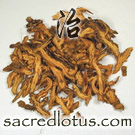 Huang Lian9 gClear Heat and Dry Dampness
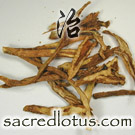 Huang Qin6 gClear Heat and Dry Dampness
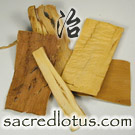 Huang Bai6 gClear Heat and Dry Dampness
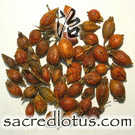 Zhi Zi6-12 gDrain Fire
Preparation & dosage
How is Huang Lian Jie Du Tang prepared?
Taken as a decoction, with all four herbs conventionally simmered together — unlike formulas built around a toxic or strongly acting herb that must be cooked separately, this formula’s four bitter-cold herbs are decocted as a single batch and the strained liquid taken warm. It is also produced as a concentrated granule/powder extract in modern practice. Given its intensely bitter, cold character, it is classically used for a short course only, for the acute fire-toxin presentation, rather than as an ongoing daily formula.
Source: Bensky & Barolet, Formulas & Strategies (2nd ed.); cross-referenced against multiple online sources.
Safety — read before use
What are the cautions for Huang Lian Jie Du Tang?
Huang Lian Jie Du Tang is an intensely bitter, cold formula reserved for true excess fire-toxin — it is inappropriate without a clear excess-heat presentation and is not intended for extended use. All four herbs are bitter and cold; given when heat is not truly in excess, or continued too long, they readily injure Spleen/Stomach yang and dry the body’s yin fluids.
- Not for deficiency-type or deficiency-heat patterns: contraindicated in Spleen/Stomach yang deficiency (cold limbs, loose stool, poor appetite) and in yin-deficiency heat without true excess fire — bitter-cold herbs would worsen either.
- Short-course use only: intended for the acute fire-toxin presentation; classically discontinued or modified once fever and toxic-heat signs resolve, precisely because prolonged bitter-cold dosing damages digestive yang and depletes fluids.
- Pregnancy: a strongly bitter-cold formula of this intensity is generally used with caution, if at all, in pregnancy — professional guidance is needed.
- Not a substitute for urgent care: the pattern it addresses — high fever, bleeding, delirium, toxic sores — can overlap with presentations that call for prompt medical evaluation; this is traditional-use framing, not guidance for managing an acute medical emergency.
Source: Bensky & Barolet, Formulas & Strategies (2nd ed.), cautions for bitter-cold/fire-draining formulas; cross-referenced against multiple online sources.
Originally Appeared In:
- Arcane Essentials from the Imperial Library (Wai Tai Bi Yao)
Notes:
How does Huang Lian Jie Du Tang differ from other heat-clearing, toxin-resolving formulas?
Huang Lian Jie Du Tang is the prototype for fire-toxin spread through all three burners together; related formulas instead target heat concentrated in one region, or of a different quality.
- vs Xie Xin Tang (Coptis Decoction to Drain the Epigastrium): a related three-herb formula (Huang Lian, Huang Qin, Da Huang) that drains heat concentrated in the epigastrium/Middle Burner with bleeding, rather than fire spread through all three burners.
- vs Pu Ji Xiao Du Yin: targets wind-heat toxin rising to the head and face (severe swelling or erysipelas of the head and throat), built around Huang Lian and Huang Qin plus wind-dispersing, throat-clearing herbs — a regional rather than whole-body fire-toxin pattern.
- vs Wu Wei Xiao Du Yin: aimed at localized toxic sores and carbuncles from heat-toxin in the skin, relying on heat-clearing, toxin-resolving herbs rather than the three-burner “yellows” structure.
Huang Lian Jie Du Tang is traditionally traced to the Tang-dynasty formulary Wai Tai Mi Yao (Arcane Essentials from the Imperial Library), compiled by Wang Tao in 752 CE. Common modifications add Da Huang to purge heat through the stool when constipation accompanies the fire-toxin pattern, or add blood-cooling herbs such as Sheng Di Huang and Xuan Shen when bleeding is prominent.
Source: Wai Tai Mi Yao (Wang Tao, 752 CE); Bensky & Barolet, Formulas & Strategies (2nd ed.); cross-referenced against multiple online sources.
Clinical Studies & Research:
Is there modern research on Huang Lian Jie Du Tang?
Yes — mostly preclinical studies exploring the formula’s traditional fire-toxin/anti-inflammatory territory, including sepsis, inflammatory skin disease, and oxidative stress in the brain. These test the whole formula or its extract in animal or cell models rather than in large human trials.
- Sepsis (animal model): reduced inflammation and improved outcomes in septic rats by activating autophagy and reshaping the gut microbiome (PMID 38828290, Heliyon 2024).
- Inflammatory skin disease (animal model): reduced atopic-dermatitis-like skin lesions in mice by suppressing MAPK and NF-κB inflammatory signaling and restoring skin barrier proteins (PMID 31678637, J Ethnopharmacol 2020).
- Cognitive/oxidative stress (animal model): improved learning and memory and reduced oxidative damage in a rat model of amyloid-beta-induced neurotoxicity (PMID 32223685, J Int Med Res 2020).
Sources: PubMed 38828290; PubMed 31678637; PubMed 32223685. Research context only, not a therapeutic claim; high fever, bleeding, or delirium always warrant prompt medical evaluation.
Sources & References
Compiled and edited by Thomas Dehli, Founder & Editor, Sacred Lotus Updated
The information here is referenced from numerous sources — teachers, practitioners, class notes from Five Branches University, the books below, and the published research literature, with citations given as resolvable PubMed identifiers. Where sources disagree, I have flagged the discrepancies directly. If facts couldn't be verified, I have left them out. How we source our content.
Reference information for students and practitioners — not medical advice. Consult a qualified practitioner. Terms of use.
Chinese Formulas Books & References
 https://amzn.to/4fYI3f8
 https://amzn.to/4j55NRA
 https://amzn.to/4gMROyv
 https://amzn.to/4h7msSK