
Cortex Phellodendri Phellodendron or Amur Cork tree Bark
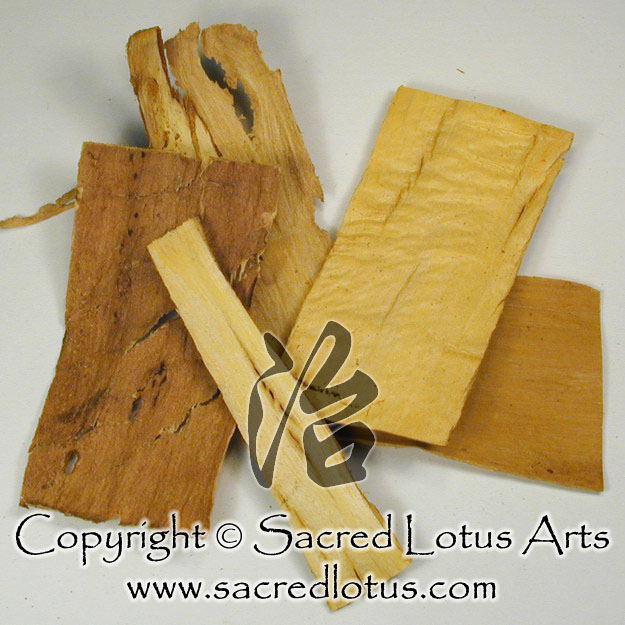
Materia Medica Data
- Temperature
- Cold
- Nature & Flavour
- Bitter, Cold
- Channels Entered
- KI, BL
- Latin (pharmaceutical)
- Cortex Phellodendri
- Chinese
- 黄柏
- Tone Marks
- huáng băi
- Translation
- Yellow Fir
Chinese Herb Actions
What is Huang Bai used for in Chinese medicine?
Huang Bai (Phellodendron bark) is a bitter, cold herb chosen above all for clearing damp-heat in the lower jiao and for draining deficiency (“empty”) fire from the Kidney — for damp-heat patterns such as yellow vaginal discharge, foul-smelling diarrhea or dysentery, jaundice, and urinary burning/UTI, as well as damp-heat “pouring downward” into red, swollen, hot knees, legs, or feet. Its second major traditional role is calming Kidney-yin-deficiency heat: night sweats, afternoon/tidal fever, a steaming-bone sensation, and nocturnal emissions or spermatorrhea.
- Clears damp-heat (lower jiao) — leukorrhea, foul-smelling diarrhea or dysentery, jaundice, acute urinary tract infection.
- Clears damp-heat pouring downward — red, swollen, hot/painful knees, legs, or feet.
- Reduces Kidney (deficiency) fire — yin-deficiency night sweats, afternoon fever, steaming-bone disorder, nocturnal emissions/spermatorrhea.
- Drains fire toxicity — damp, weeping skin lesions: sores, abscesses, eczema, furuncles/boils.
Source: Sacred Lotus reference notes, reviewed against Bensky & Chen & Chen materia medica consensus.
Chinese Herb Dosage
What is the typical dosage of Huang Bai?
Commonly 3–12 g in decoction; the part used is the bark.
Preparation changes emphasis: raw Huang Bai is stronger for clearing damp-heat and fire toxicity; salt-fried (dry-fried with salt) is preferred for draining deficiency fire from the Kidney (as in Da Bu Yin Wan, below); wine-fried is traditionally said to direct the herb’s action more toward the upper body; and charred (carbonized) preparations are used to help stop bleeding in damp-heat-type bleeding patterns.
Source: Sacred Lotus (dosage, part used); standard materia medica processing conventions (Bensky; Chen & Chen). Reference only — not a prescription.
Chinese Herb Contraindications & Cautions
Are there cautions for Huang Bai?
Huang Bai is contraindicated in Spleen deficiency, with or without diarrhea. Being bitter and cold, it can further weaken Spleen-Stomach yang and worsen poor appetite, loose stools, or cold-type digestive weakness. As with other bitter-cold, damp-drying herbs, it is best used for a defined course under a qualified practitioner rather than long-term on its own.
Source: Sacred Lotus (contraindication); Bensky & Chen & Chen consensus on bitter-cold herb cautions.
Chinese Herb Toxicity & Overdose
Low toxicity is reported at standard TCM decoction doses. Huang Bai contains berberine and related isoquinoline alkaloids (also found in Huang Lian), which underlie both its antimicrobial/anti-inflammatory activity and its bitter-cold traditional cautions. As with other berberine-containing herbs, very high or prolonged intake outside practitioner supervision is not advised, and traditional teaching restricts its use in Spleen-deficient, cold-diarrhea presentations (see cautions, above).
Source: phytochemical/pharmacology review of Cortex Phellodendri, DOI 10.3390/molecules31081318; Bensky & Chen & Chen for traditional cautions. Reference note, not a safety guarantee.
Herb-Drug Interactions
No well-established Huang-Bai-specific clinical drug interactions are documented, but Huang Bai is a berberine-containing herb, and berberine itself has documented pharmacokinetic interactions. Small human studies — in healthy volunteers and in renal-transplant recipients — found that berberine measurably raised cyclosporine A blood levels/AUC, consistent with inhibition of CYP3A4/P-glycoprotein-mediated drug metabolism; other case reports and reviews flag possible interactions with warfarin and other narrow-therapeutic-index, CYP3A4-metabolized drugs. This reflects berberine pharmacology broadly rather than a Huang-Bai-specific trial, but supports practitioner awareness for patients on cyclosporine, tacrolimus, warfarin, or similar medications. (Flagged for practitioner confirmation.)
Sources: PMID 16541194 (berberine–cyclosporine A pharmacokinetics, healthy volunteers); PMID 16133554 (berberine–cyclosporine A, renal transplant recipients).
Western / Biomedical Research
Chinese Herb Clinical Studies & Research
Provided as research context — a summary of published biomedical study, not a therapeutic or medical claim.
Is there modern research on Huang Bai (Cortex Phellodendri)?
Yes — mostly preclinical/phytochemical research plus at least one controlled human trial of a multi-herb formula containing Huang Bai; human trials of the single herb alone remain limited. Phytochemical reviews identify berberine and related alkaloids (jatrorrhizine, palmatine, magnoflorine, phellodendrine) as the main active constituents, with anti-inflammatory, antimicrobial, antiviral, and antioxidant activity reported in laboratory and animal studies.
- Human clinical (multi-herb formula) — a randomized, investigator-blinded, placebo-controlled trial (n=100) of a five-herb topical ointment containing Cortex Phellodendri (with indigo naturalis, gypsum, smithsonite, and Galla Chinensis) for plaque-type psoriasis reported significantly greater improvement in Total Severity Score and treatment-success rate versus placebo over 8 weeks. Huang Bai’s individual contribution cannot be isolated from the formula.
- Antiviral (preclinical) — an aqueous Cortex Phellodendri extract reduced replication of multiple viruses (including several influenza A subtypes, herpes simplex, and enterovirus) in cell culture and protected mice against lethal influenza challenge, an effect attributed largely to berberine and type-I interferon stimulation.
- Anticancer (preclinical/dietary) — dietary berberine or Phellodendron amurense bark extract slowed cell-cycle progression and lung-tumor growth in mouse models; animal research, not clinical evidence.
- Pharmacokinetic interaction (human) — berberine measurably increased cyclosporine A blood levels in both healthy volunteers and transplant patients (see drug interactions, above) — a relatively well-studied human PK interaction for a Huang Bai constituent.
Overall: solid phytochemical/mechanistic and animal evidence, with real but limited human clinical evidence — mostly for multi-herb formulas rather than Huang Bai used alone.
Sources: PMID 25834623 (topical Cortex-Phellodendri-containing formula, psoriasis RCT); PMID 27484768 (Cortex Phellodendri antiviral activity, in vitro/in vivo); PMID 21061266 (berberine/Phellodendron amurense extract, lung tumorigenesis, mouse model); DOI 10.3390/molecules31081318 (phytochemistry/pharmacology review); PMID 16541194, PMID 16133554 (berberine–cyclosporine A pharmacokinetic interaction). Research context, not a therapeutic claim.
Chinese Herb Notes
What is the “three yellows” relationship between Huang Qin, Huang Lian, and Huang Bai?
Huang Qin, Huang Lian, and Huang Bai are the three classic bitter, cold “clear heat and dry dampness” herbs, traditionally taught by which jiao (burner) each targets — Huang Qin for the upper jiao (Lung heat), Huang Lian for the middle jiao (Heart/Stomach fire), and Huang Bai for the lower jiao (Kidney/Bladder damp-heat and deficiency fire). This upper–middle–lower framework is a teaching simplification — each herb has broader traditional uses — but it is a widely used mnemonic for keeping the three apart.
- Huang Qin — upper jiao; Lung heat, high fever, cough.
- Huang Lian — middle jiao; Heart and Stomach fire, damp-heat dysentery.
- Huang Bai — lower jiao; Kidney/Bladder damp-heat, deficiency fire, damp-heat leg/foot patterns.
All three appear together with Zhi Zi (Gardenia) in Huang Lian Jie Du Tang (“Coptis Decoction to Relieve Toxicity”), the classic formula for fire toxicity affecting all three jiao at once (high fever, irritability, delirious speech, sores).
Huang Bai’s single most classic pairing is with Zhi Mu (Anemarrhena): together with Shu Di Huang and Gui Ban they form Da Bu Yin Wan, the representative formula for nourishing yin while draining rampant deficiency fire (steaming-bone disorder, night sweats, spermatorrhea). Zhi Mu moistens and nourishes yin while Huang Bai drains the fire more directly; combined, each reinforces and balances the other.
Other documented combinations from the formula record: with Cang Zhu in Er Miao San (“Two Marvel Powder”) for damp-heat in the lower body; in Bai Tou Weng Tang for damp-heat dysentery with tenesmus; in Hu Qian Wan and Wu Mei Wan; and in gynecological formulas such as Gu Jing Wan and Qing Re Zhi Beng Tang for heat-type abnormal uterine bleeding. (Traditional formula context, not treatment advice.)
Sourcing note (reference only): because of demand for its medicinal bark and timber, wild Phellodendron amurense populations in parts of its native Northeast Asian range have declined from over-harvesting, and the species has drawn conservation attention/protection measures in China; commercial Huang Bai is also sourced from the related Phellodendron chinense. This is a neutral sourcing fact, not a caution about traditional use.
Source: Sacred Lotus formula-herb records (Huang Lian Jie Du Tang, Da Bu Yin Wan, Er Miao San, Bai Tou Weng Tang, Hu Qian Wan, Wu Mei Wan, Gu Jing Wan, Qing Re Zhi Beng Tang); Bensky & Chen & Chen for the “three yellows” teaching framework; PMC 4130446 for conservation/sourcing context.
Sources & References
Compiled and edited by Thomas Dehli, Founder & Editor, Sacred Lotus Updated
The information here is referenced from numerous sources — teachers, practitioners, class notes from Five Branches University, the books below, and the published research literature, with citations given as resolvable PubMed identifiers. Where sources disagree, I have flagged the discrepancies directly. If facts couldn't be verified, I have left them out. How we source our content.
Reference information for students and practitioners — not medical advice. Consult a qualified practitioner. Terms of use.
Chinese Herbs Books & References
 https://amzn.to/3WfB3DK
 https://amzn.to/3DR1VUh
 https://amzn.to/42aMz73
 https://amzn.to/3PuD4bt