
Fang Feng Tong Sheng San
Ledebouriella Powder that Sagely Unblocks
- Category
- Formulas that Release the Exterior
- Subcategory
- Formulas that Release Exterior-Interior Excess
- Ingredients
- 18 herbs
Actions
What does Fang Feng Tong Sheng San do?
Fang Feng Tong Sheng San simultaneously releases the exterior and drains the interior — the classic “biao-li shuang jie” (jointly resolving exterior and interior) strategy. It disperses wind-heat from the surface through sweating while draining accumulated heat/fire from the interior through the stool and urine, unblocking all three exit routes at once. It is attributed to Liu Wansu (Jin dynasty), one of the four great masters of the era, known for his emphasis on cooling, heat-clearing formulas.
Eighteen ingredients organize by role:
- Chief: Fang Feng, Jing Jie, Ma Huang, and Bo He induce sweating to disperse wind-heat from the exterior and vent heat outward through the skin.
- Deputies: Da Huang (recorded here as wine-prepared, Jiu Da Huang) and Mang Xiao purge accumulated heat downward through the stool; Zhi Zi and Hua Shi drain heat through the urine — together with the chief herbs this opens sweat, stool, and urine as three simultaneous outlets for heat.
- Assistants: Shi Gao, Huang Qin, and Lian Qiao clear heat and fire toxin from the Lung, Stomach, and upper body; Jie Geng directs the formula upward and benefits the throat; Chuan Xiong, Dang Gui, and Bai Shao invigorate and nourish the blood, guarding blood and yin against the drying, purging action of the formula; Bai Zhu strengthens the Spleen and protects digestion from the harsh cooling and purgative herbs.
- Envoys: Gan Cao harmonizes the many strong actions and moderates the harshness of Mang Xiao and Da Huang; Sheng Jiang (present in Sacred Lotus sources & references) harmonizes the Stomach and assists the sweating action.
Source: Sacred Lotus sources & references + Bensky & Barolet, Formulas & Strategies (chief/deputy/assistant/envoy analysis; biao-li shuang jie strategy). Traditional-use framing; not medical advice.
Indications
What is Fang Feng Tong Sheng San used for?
Fang Feng Tong Sheng San treats combined exterior wind-heat with interior excess heat/fire — cases where an external wind-heat invasion has not been resolved and heat has simultaneously built up internally, so exterior and interior symptoms appear together.
Its classic clinical presentation:
- Exterior signs: fever with chills, headache, and dizziness from unresolved wind-heat at the surface.
- Interior heat/fire signs: sore, red, swollen throat; red, painful eyes; mouth and tongue sores; dry mouth; abdominal fullness or distention; constipation; and dark, scanty urine.
- Skin manifestations: because wind-heat toxin can vent to the surface, it is also applied to eruptive, itchy, or inflamed skin conditions consistent with wind-heat-toxin excess.
Tongue and pulse are traditionally described as red with a yellow, dry coating, and floating combined with rapid and forceful — reflecting exterior wind-heat layered over interior excess. This is a strong, excess-pattern formula: it is reserved for genuine combined exterior-interior excess heat, not for deficiency or mild colds.
Source: Sacred Lotus pattern/composition + Bensky & Barolet, Formulas & Strategies (biao-li shuang shi re-zheng, combined exterior-interior excess heat pattern). Traditional-use framing; not medical advice.
Western Uses:
What is Fang Feng Tong Sheng San used for in modern practice?
In modern practice this formula is referenced two ways: as a strong heat-clearing formula for febrile, inflammatory conditions with constipation (sore throat/tonsillitis, conjunctivitis, feverish colds, inflammatory skin eruptions such as urticaria, eczene, and acne attributed to wind-heat toxin), and — under its Japanese Kampo name, bofutsushosan (防风通胜散) — as a widely used, extensively studied over-the-counter formula for obesity and metabolic syndrome. The Kampo application repurposes the same classical composition toward modern metabolic endpoints (body mass index, visceral fat, glycolipid metabolism) rather than the classical wind-heat-toxin indication.
These biomedical correlates are offered as a reference to the formula’s traditional and repurposed Kampo use, not as a claim that it treats any diagnosed disease. See research for what has actually been studied. Any use for a diagnosed condition, including obesity or metabolic syndrome, belongs with a qualified practitioner and appropriate medical care.
Source: traditional-use correlates summarized from Bensky & Barolet, Formulas & Strategies, cross-checked against the Kampo (bofutsushosan) literature cited in research. Reference only, not a treatment claim.
Ingredients
18 substances in Fang Feng Tong Sheng San — each links to its full herb monograph.
 Fang Feng3 gWarm, Spicy Herbs that Release the Exterior
 Ma Huang3 gWarm, Spicy Herbs that Release the Exterior
 Bo He3 gCool, Spicy Herbs that Release the Exterior
 Jing Jie3 gWarm, Spicy Herbs that Release the Exterior
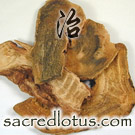 Jiu Da Huang3 gPurgatives
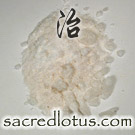 Mang Xiao3 gPurgatives
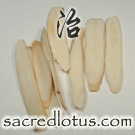 Bai Shao3 gTonify Blood
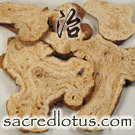 Bai Zhu3 gTonify Qi
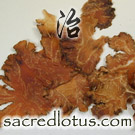 Chuan Xiong3 gInvigorate Blood and Remove Stagnation
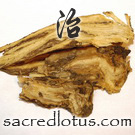 Dang Gui3 gTonify Blood
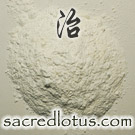 Hua Shi18 gRegulate Water and Drain Dampness
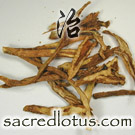 Huang Qin6 gClear Heat and Dry Dampness
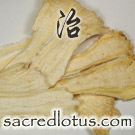 Jie Geng6 gWarm Herbs that Transform Phlegm-Cold
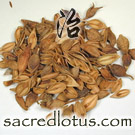 Lian Qiao3 gClear Heat and Eliminate Toxins
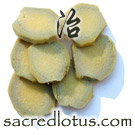 Sheng Jiang3 SlicesWarm, Spicy Herbs that Release the Exterior
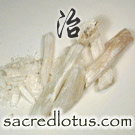 Shi Gao6 gDrain Fire
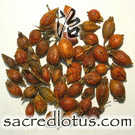 Zhi Zi3 gDrain Fire
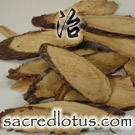 Gan Cao12 gTonify Qi
Preparation & dosage
How is Fang Feng Tong Sheng San prepared?
Fang Feng Tong Sheng San (“San” = powder) was originally taken as a powder, but in modern practice it is most often prepared as a decoction (tang). Two ingredients need special handling: Mang Xiao (mirabilite) is not decocted with the other herbs but dissolved into the hot, strained decoction just before drinking, and Da Huang is traditionally added later in the decoction process so its purgative effect is preserved rather than reduced by prolonged cooking. Sheng Jiang is added as fresh slices.
The Japanese Kampo version (bofutsushosan) is manufactured as a standardized granule or extract product from the same 18 ingredients and taken as an over-the-counter preparation rather than individually decocted.
Source: Bensky & Barolet, Formulas & Strategies (standard preparation notes for Mang Xiao and Da Huang) + Sacred Lotus sources & references.
Reference relative amounts (from Sacred Lotus sources & references, reflecting the classical ~3:2:1:1:1:0.5 ratio scaled to grams): Hua Shi 18 g; Gan Cao 12 g; Shi Gao, Huang Qin, Jie Geng 6 g each; Fang Feng, Jing Jie, Ma Huang, Da Huang (wine-prepared), Mang Xiao, Bo He, Zhi Zi, Lian Qiao, Chuan Xiong, Dang Gui, Bai Shao, Bai Zhu 3 g each; Sheng Jiang 3 slices. Mang Xiao dissolved into the strained decoction; Da Huang added later in cooking. Reference only; classical formula, strong action — dosing should be adjusted downward and only under professional guidance.
Safety — read before use
What are the cautions for Fang Feng Tong Sheng San?
Fang Feng Tong Sheng San is a strong, fast-acting formula that simultaneously induces sweating and purges the bowels — it is reserved for robust excess-heat patterns and is not appropriate for weak, deficient, or elderly patients, or for prolonged use. Because it combines diaphoretic, purgative, and cooling actions, it can quickly injure qi, fluids, and the Spleen/Stomach if used beyond the excess pattern it is designed for.
- Pregnancy: contraindicated — it contains strong purgatives (Da Huang, Mang Xiao) and blood-invigorating herbs (Chuan Xiong, Dang Gui) that can stimulate the uterus and move blood.
- Weak or deficient patients: avoid or use only under close professional supervision in patients who are frail, elderly, chronically ill, or who show signs of qi/yin deficiency rather than genuine excess — the combined sweating and purging can rapidly deplete an already-weak constitution.
- Not for deficiency-type exterior conditions: avoid where sweating is already spontaneous, or where fever and constipation do not reflect true excess heat.
- Ma Huang caution: contains Ma Huang (Ephedra); use cautiously with hypertension or cardiac conditions and avoid combining with stimulant medications.
- Duration: traditionally used as a short course to break combined exterior-interior excess heat, then stopped or modified once the acute pattern resolves.
Source: Bensky & Barolet, Formulas & Strategies (cautions for strong combined diaphoretic-purgative formulas). Traditional-use framing; not medical advice.
Originally Appeared In:
- Formulas from the Discussion Illuminating the Yellow Emperor's Basic Questions (Huang Di Su Wen Xuan Ming Lun Fang)
Notes:
How does Fang Feng Tong Sheng San compare to other heat-clearing and exterior-releasing formulas?
Fang Feng Tong Sheng San is distinguished by treating exterior and interior excess heat together, where most related formulas address only one side of that picture.
- vs Liang Ge San: Liang Ge San clears and purges interior heat/fire from the upper and middle burner but does not release the exterior — choose Fang Feng Tong Sheng San when unresolved exterior wind-heat (fever with chills, headache) accompanies the interior heat.
- vs Yin Qiao San: Yin Qiao San gently releases exterior wind-heat at the earliest stage of a warm-disease pattern without purging the bowels — reserve Fang Feng Tong Sheng San for the stronger, combined pattern with constipation and marked interior heat.
- vs Xiao Feng San: both are applied to wind-heat-toxin skin eruptions, but Xiao Feng San is built around expelling wind and clearing damp-heat from the blood/skin level without the strong purgative and diaphoretic combination that defines Fang Feng Tong Sheng San.
Modifications: Ma Huang is reduced or omitted when exterior chills are mild or absent; the formula is adjusted toward gentler heat-clearing once the acute exterior-interior excess resolves. In Japan the unmodified 18-herb formula is manufactured and sold as bofutsushosan, generally taken as-is rather than customized per patient.
Source: Bensky & Barolet, Formulas & Strategies (formula comparisons within the release-exterior/attack-interior and clear-heat categories).
Clinical Studies & Research:
Is there modern research on Fang Feng Tong Sheng San?
Yes — but nearly all substantive modern research studies the formula under its Japanese Kampo identity, bofutsushosan, for obesity and metabolic syndrome, rather than its classical wind-heat/interior-heat indication. A systematic review and meta-analysis of seven randomized controlled trials (679 participants) found bofutsushosan significantly reduced body mass index in participants with obesity compared to controls (mean difference −0.52 kg/m² [95% CI −0.86, −0.18], P = 0.003), with gastrointestinal complaints as the main adverse effect and no serious events reported.
- Clinical (obesity/BMI): systematic review and meta-analysis of 7 RCTs, 679 participants, found a significant BMI reduction with bofutsushosan versus control (PMID 35417488).
- Mechanistic (preclinical, mice): in high-fat-diet obese mice, bofutsushosan increased expression of leptin, adiponectin, and UCP1 in brown fat early on, then improved insulin sensitivity and reduced visceral fat and serum triglycerides/leptin with continued use (PMID 28360931).
Note: this research base evaluates bofutsushosan for a modern metabolic application (obesity/BMI), not the classical externally-contracted wind-heat-with-interior-heat pattern this formula is traditionally prescribed for in Chinese medicine. The two uses share the identical 18-herb composition (confirmed against Sacred Lotus sources & references), so the pharmacological evidence is relevant to the formula itself, but it should not be read as clinical support for the classical fever/sore-throat/constipation indication, which was not found studied in dedicated trials in this search.
Sources: PubMed 35417488 (systematic review/meta-analysis, BMI); PubMed 28360931 (mechanistic study, high-fat-diet mice). Research context, not a therapeutic claim; direct clinical trial evidence for the classical wind-heat/interior-heat indication was not located.
Sources & References
Compiled and edited by Thomas Dehli, Founder & Editor, Sacred Lotus Updated
The information here is referenced from numerous sources — teachers, practitioners, class notes from Five Branches University, the books below, and the published research literature, with citations given as resolvable PubMed identifiers. Where sources disagree, I have flagged the discrepancies directly. If facts couldn't be verified, I have left them out. How we source our content.
Reference information for students and practitioners — not medical advice. Consult a qualified practitioner. Terms of use.
Chinese Formulas Books & References
 https://amzn.to/4fYI3f8
 https://amzn.to/4j55NRA
 https://amzn.to/4gMROyv
 https://amzn.to/4h7msSK