
Dang Gui Si Ni Tang
Tangkuei Decoction for Frigid Extremities
- Category
- Formulas that Warm Interior Cold
- Ingredients
- 7 herbs
Actions
What does Dang Gui Si Ni Tang do?
Dang Gui Si Ni Tang (Tangkuei Decoction for Frigid Extremities) nourishes the blood, warms the channels, disperses cold, and unblocks the vessels and collaterals — the representative formula for blood deficiency with cold obstructing the channels. It builds blood and opens cold-blocked circulation so warmth reaches the extremities.
How the ingredients work together:
- Chiefs — Dang Gui nourishes and invigorates the blood; Gui Zhi warms the channels, unblocks the vessels, and moves yang out to the exterior.
- Deputies — Bai Shao nourishes blood and, with Dang Gui, replenishes it (and with Gui Zhi harmonizes the nutritive and protective qi); Xi Xin warms and disperses cold in the interior and channels.
- Assistant — Chuan Mu Tong unblocks the vessels and collaterals to promote flow.
- Envoys — Zhi Gan Cao and a large dose of Da Zao tonify qi to generate blood, harmonize the formula, and protect the Stomach.
Structurally it is Gui Zhi Tang modified — Sheng Jiang is removed and Dang Gui, Xi Xin, and Mu Tong are added, shifting the formula from harmonizing the exterior to nourishing blood and unblocking cold-obstructed channels.
Source: Bensky, Chinese Herbal Medicine: Formulas & Strategies; Sacred Lotus formula record (7 substances; from Shang Han Lun). Traditional-use framing; not medical advice.
Indications
What is Dang Gui Si Ni Tang used for?
Dang Gui Si Ni Tang is used for blood deficiency with cold obstructing the channels. The hallmark is cold, pale hands and feet that are cold to the touch — from blood deficiency and channel cold, not from the yang collapse of a deeper emergency.
Typical presentation:
- Cold, pale extremities (fingers and toes) that are cold to the touch.
- A pale tongue with a white coat, and a thin or faint (minute) pulse.
- Cold-type pain in the channels — joints, low back, legs, or feet, or a cold headache.
- Menstrual pain or irregularity arising from cold and blood deficiency.
Source: Sacred Lotus formula record (tongue: pale with white coat; pulse: thin/minute); Bensky, Formulas & Strategies; Shang Han Lun. Reference only, not a diagnosis.
Western Uses:
What is Dang Gui Si Ni Tang used for in modern practice?
In modern Chinese medicine practice, Dang Gui Si Ni Tang is applied to cold-and-blood-deficiency presentations of the circulation and channels — for example Raynaud’s phenomenon, chilblains and cold-induced pain, peripheral neuropathy (including diabetic and chemotherapy-induced), cold-type painful obstruction (arthralgia), and dysmenorrhea. These biomedical labels only describe presentations; the formula is still chosen on the blood-deficiency-with-channel-cold pattern, not on the Western name.
Source: Bensky, Formulas & Strategies (reported biomedical correlations). Framed by TCM pattern; not a treatment claim or medical advice.
Ingredients
7 substances in Dang Gui Si Ni Tang — each links to its full herb monograph.
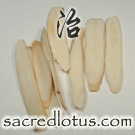 Bai Shao9 gTonify Blood
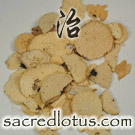 Chuan Mu Tong6 gRegulate Water and Drain Dampness
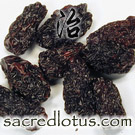 Da Zao25 piecesTonify Qi
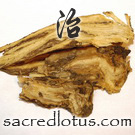 Dang Gui9 gTonify Blood
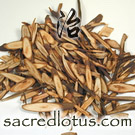 Gui Zhi9 gWarm, Spicy Herbs that Release the Exterior
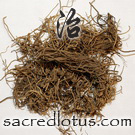 Xi Xin6 gWarm, Spicy Herbs that Release the Exterior
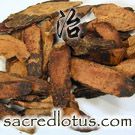 Zhi Gan Cao6 gTonify Qi
Preparation & dosage
How is Dang Gui Si Ni Tang prepared?
Dang Gui Si Ni Tang is prepared as a water decoction (tang) of Dang Gui, Bai Shao, Gui Zhi, Xi Xin, Zhi Gan Cao, Da Zao and Chuan Mu Tong, taken warm to warm the channels and nourish blood in cold extremities.
A common modern adjustment: Da Zao is often reduced to 4–5 pieces from the larger classical amount. Note that Xi Xin (Asarum) is used only in small, controlled doses under a qualified practitioner. Available as granules as well.
Source: Sacred Lotus sources & references (composition and preparation note) + Bensky & Barolet, Formulas & Strategies.
Decoction. Dang Gui 9 g; Gui Zhi 9 g; Bai Shao 9 g; Xi Xin 6 g; Zhi Gan Cao 6 g; Chuan Mu Tong 6 g; Da Zao 25 pieces (modern practice often 4-5).
Safety — read before use
What are the cautions for Dang Gui Si Ni Tang?
Dang Gui Si Ni Tang is for cold in the channels from blood deficiency, not for interior yang collapse or heat patterns. Match the pattern carefully, and note two herb-safety points:
- Not a yang-rescue formula — frigid extremities from devastated yang (whole-body cold, diarrhea, a faint pulse verging on collapse) call for Si Ni Tang instead; here the coldness is confined to the extremities without those collapse signs.
- Contains Xi Xin (Asarum) — it naturally contains aristolochic acid and safrole, so use only appropriate small doses, avoid high or prolonged dosing, avoid in renal impairment, and observe the classical Xi Xin–Li Lu (Veratrum) incompatibility.
- Warm and acrid overall — use care in heat or marked yin-deficiency patterns.
Important species note: the “mu tong” here is Chuan Mu Tong (Caulis Clematidis Armandii), the species specified in the Sacred Lotus record. It must NOT be substituted with Guan Mu Tong (Aristolochia manshuriensis), an aristolochic-acid-containing herb linked to kidney injury and now widely restricted. Confirm the botanical source of any “mu tong” before dispensing.
Source: Bensky, Formulas & Strategies (cautions & contraindications); classical incompatibility lists; herb-safety literature on aristolochic acid. Practitioner reference, not medical advice.
Originally Appeared In:
- On Cold Damage (Shang Han Lun)
Notes:
How does Dang Gui Si Ni Tang compare to related formulas, and how is it modified?
Despite the shared “Si Ni” name, it is not Si Ni Tang. Both treat cold extremities, but by different mechanisms — a distinction worth keeping straight.
- vs Si Ni Tang — Si Ni Tang (Fu Zi, Gan Jiang, Gan Cao) rescues devastated Spleen and Kidney yang in a collapse pattern (whole-body cold, diarrhea, a faint pulse). Dang Gui Si Ni Tang treats blood deficiency with cold in the channels, where cold is limited to the extremities and there is no yang collapse.
- vs Gui Zhi Tang — Dang Gui Si Ni Tang is Gui Zhi Tang with Sheng Jiang removed and Dang Gui, Xi Xin, and Mu Tong added, redirecting it from releasing the exterior to nourishing blood and unblocking cold-obstructed channels.
- Variant — Dang Gui Si Ni Jia Wu Zhu Yu Sheng Jiang Tang adds Wu Zhu Yu and Sheng Jiang for cases complicated by long-standing internal cold (for example cold in the Stomach or lower burner with vomiting).
Common modifications: for cold menstrual pain, add Wu Zhu Yu and Xiang Fu; for more severe cold in the limbs, increase Gui Zhi or add Fu Zi.
Source: Bensky, Formulas & Strategies (comparisons, variant formula & modifications).
Clinical Studies & Research:
Is there modern research on Dang Gui Si Ni Tang?
Yes, but it is largely preclinical and Chinese-language. A 2024 rat study found that Danggui Sini decoction alleviated oxaliplatin-induced peripheral neuropathy by regulating the gut microbiota and reducing neuroinflammatory markers (LPS, IL-6, TNF-α) while improving intestinal-barrier function. It is also being evaluated in humans for diabetic and chemotherapy-induced peripheral neuropathy, but the clinical evidence remains limited: a published systematic-review protocol notes the underlying trials are small and mostly Chinese-language, so firm conclusions cannot yet be drawn. We report this as research context, not a therapeutic claim.
Sources: PubMed 38584284 / PMC 10999090 (Chinese Medicine, 2024, rat model, oxaliplatin-induced neuropathy); PubMed 32481353 (Medicine, 2020, systematic-review protocol for diabetic peripheral neuropathy).
Sources & References
Compiled and edited by Thomas Dehli, Founder & Editor, Sacred Lotus Updated
The information here is referenced from numerous sources — teachers, practitioners, class notes from Five Branches University, the books below, and the published research literature, with citations given as resolvable PubMed identifiers. Where sources disagree, I have flagged the discrepancies directly. If facts couldn't be verified, I have left them out. How we source our content.
Reference information for students and practitioners — not medical advice. Consult a qualified practitioner. Terms of use.
Chinese Formulas Books & References
 https://amzn.to/4fYI3f8
 https://amzn.to/4j55NRA
 https://amzn.to/4gMROyv
 https://amzn.to/4h7msSK