
Hei Xi Dan
Lead Special Pill
- Category
- Formulas that Warm Interior Cold
- Subcategory
- Formulas that Rescue Devastated Yang
- Ingredients
- 12 herbs
Actions
What does Hei Xi Dan do?
Hei Xi Dan (Lead Special Pill) is a historical Song-dynasty formula that anchors severely “floating” Yang and forces rebellious Qi downward, used to rescue a collapsing Kidney Yang. Its chief ingredient, Hei Xi, is metallic lead — a fact central to why this formula is a historical reference only and is not used in contemporary TCM practice (see the Western Uses section and cautions).
The twelve ingredients divide by role:
- Chief: Hei Xi (Lead), 60 g, and Liu Huang (Sulfur), 60 g. Hei Xi is described in the traditional literature as sweet and cold, anchoring rising/floating Yang and forcing Qi downward to calm wheezing and gasping; Liu Huang is hot and is used to warm and rescue failing Kidney Yang and Ming Men fire. Together they form the formula’s core Yang-rescuing, Qi-descending pair.
- Deputies: Fu Zi (Processed Aconite), Rou Gui (Saigon Cinnamon Bark), Yang Qi Shi (Actinolite), Bu Gu Zhi (Psoralea Fruit), and Hu Lu Ba (Fenugreek Seed) warm and tonify Kidney Yang and Ming Men fire, reinforcing the chief pair’s rescue of collapsing Yang.
- Assistants: Xiao Hui Xiang (Fennel Fruit), Mu Xiang (Costus Root), Rou Dou Kou (Nutmeg Seed), and Chen Xiang (Aloeswood) warm the middle and lower Jiao and help direct rebellious Qi downward, addressing the wheezing, dyspnea, and abdominal cold in the traditional presentation.
- Envoy: Chuan Lian Zi (Toosendan Fruit) is cooler and more draining in nature; it moderates the intense heat and dryness of the rest of the formula and helps keep its strong warming action from becoming excessive.
Source: this site’s own composition record (roles not flagged in this site’s own record — derived here) + classical source Tai Ping Hui Min He Ji Ju Fang (Song dynasty) as documented in multiple online sources, cross-checked against the Bensky & Barolet “Formulas that Rescue Devastated Yang” category. Historical/encyclopedic framing; not medical advice.
Indications
What is Hei Xi Dan used for?
Historically, Hei Xi Dan was reserved for the most severe stage of Kidney Yang collapse — “devastated Yang” with Yang floating upward and the Kidney failing to grasp (govern the reception of) Qi. This is a critical, life-threatening pattern in classical medicine, typically described in chronically debilitated or elderly patients with long-standing asthma or wheezing.
Its classical clinical presentation, as recorded in the traditional literature:
- Respiratory: chronic wheezing and gasping for breath, dyspnea, and accumulation of phlegm in the chest.
- Yang-collapse signs: extremely cold limbs and profuse, unremitting cold sweating.
- Abdominal: periumbilical cold pain, borborygmus, and loose stools.
- Reproductive (traditional): impotence and, in women, a cold uterus with clear, watery vaginal discharge.
Tongue and pulse: the tongue is pale with a white, slippery coating; the pulse is submerged and faint (deep and minute).
This is a historical record of traditional indications, not a description of how the formula is used today — see the Western Uses section.
Source: this site’s own pattern/tongue/pulse record + classical source Tai Ping Hui Min He Ji Ju Fang as documented in multiple online sources. Historical/traditional-use framing; not medical advice.
Western Uses:
What is Hei Xi Dan used for in modern practice?
Hei Xi Dan is not used in modern TCM practice. Its chief ingredient, Hei Xi, is metallic lead, and it also contains Liu Huang (sulfur); both are heavy-metal/mineral substances with well-documented toxicity, and formulas of this class have been superseded by non-mineral alternatives (e.g., Si Ni Tang and related Yang-rescuing decoctions) that achieve a comparable therapeutic aim without lead exposure.
The modern literature relevant to Hei Xi Dan is toxicological rather than therapeutic: case reports and reviews document lead poisoning from lead-containing traditional Chinese medicine preparations, with clinical presentations including abdominal (periumbilical) colic, constipation, anemia, and non-specific systemic symptoms that are frequently misdiagnosed. This is offered strictly as public-safety reference context explaining why this historical formula has no place in contemporary clinical use — it is not a treatment claim, and no administration or dosing information is given anywhere in this record.
Source: PubMed 29081456 (lead poisoning from TCM, case report and literature review of cases 1977–2017); PubMed 36176514 / PMC 9513390 (non-occupational lead poisoning from TCM, case report); PubMed 25048473 / PMC 4108800 (metal-contamination adverse events review, Korea). Reference/public-safety context only, not a treatment claim.
Ingredients
12 substances in Hei Xi Dan — each links to its full herb monograph.
 Liu Huang60 gSubstances for External Application
 Bu Gu Zhi30 gTonify Yang
 Fu Zi30 gWarm the Interior and Expel ColdNo specimen photographHu Lu Ba30 gTonify Yang
 Rou Gui60 gWarm the Interior and Expel ColdNo specimen photographYang Qi Shi30 gTonify Yang
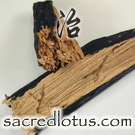 Chen Xiang30 gRegulate the Qi
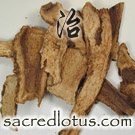 Mu Xiang30 gRegulate the Qi
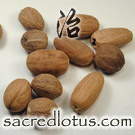 Rou Dou Kou30 gAstringe, Stabilize, Bind
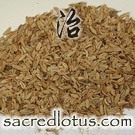 Xiao Hui Xiang30 gWarm the Interior and Expel Cold
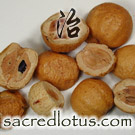 Chuan Lian Zi30 gRegulate the Qi
Preparation & dosage
How was Hei Xi Dan historically prepared?
This is a historical record of a preparation method, not a modern instruction. Traditional sources describe dry-frying the lead (Hei Xi) and sulfur (Liu Huang) together until they combined into a black compound — the origin of the formula’s name (“Hei,” black) — before grinding all the ingredients into a fine powder and forming pills with wine or liquor and flour paste.
Because Hei Xi Dan contains metallic lead and is not used in modern practice, this record deliberately omits any administration amount, frequency, or dosing information. Historical texts did record oral pill dosing, but reproducing it here would misrepresent a discontinued, unsafe preparation as practical guidance.
Source: this site’s own preparation record + multiple online sources. Historical/encyclopedic record; no administration or dosing guidance is given.
No administration or dosing information is given for Hei Xi Dan. Its chief ingredient, Hei Xi, is metallic lead, and it is not used in modern TCM practice; historical texts recorded oral pill dosing, but reproducing specific amounts here would misrepresent a discontinued, unsafe, lead-containing preparation as practical guidance. See cautions and the Western Uses section for the public-safety context.
Safety — read before use
What are the cautions for Hei Xi Dan?
Hei Xi Dan is toxic by design: its chief ingredient Hei Xi is metallic lead, and it also contains Liu Huang (sulfur), both of which are flagged as toxic substances in the reference literature. This entry is a historical/encyclopedic record only. It contains no administration or dosing instructions of any kind, consistent with the fact that this formula is not used in modern practice and should not be prepared or taken.
- Lead toxicity: lead accumulates in the body and is well documented to cause poisoning from traditional Chinese medicine preparations, with reported presentations including periumbilical abdominal colic, constipation, anemia (including basophilic stippling), fatigue, and non-specific symptoms that are often misdiagnosed; case blood-lead levels far above normal reference ranges have been reported in the literature (PubMed 29081456; PubMed 36176514 / PMC 9513390; PubMed 25048473 / PMC 4108800).
- Sulfur and aconite: Liu Huang (sulfur) and Fu Zi (processed aconite) are both independently flagged as toxic substances in this reference database; Fu Zi additionally carries its own well-known cautions around processing and cardiac toxicity if improperly prepared.
- Traditional contraindications: secondary TCM formula references record this formula as contraindicated in exterior (external invasion) conditions, Yin-deficiency patterns, and pregnancy.
- Historical caution on duration: traditional sources caution against extended or repeated use, citing lead-poisoning risk — consistent with why lead-containing formulas of this type have been abandoned in contemporary practice rather than merely dose-limited.
Source: this site’s own cautions record + multiple online sources for traditional contraindications + PubMed 29081456; PubMed 36176514 / PMC 9513390; PubMed 25048473 / PMC 4108800 for lead-toxicity findings. Public-safety reference; not medical advice; no administration or dosing guidance is given.
Originally Appeared In:
- Imperial Grace Formulary of the Tai Ping Era (Tai Ping Hui Min He Ji Ju Fang)
Notes:
What is the origin of Hei Xi Dan, and why is it no longer used?
Hei Xi Dan originates in the Tai Ping Hui Min He Ji Ju Fang (“Formulas of the Peaceful Benevolent Dispensary”), an official formulary compiled by the Imperial Medical Bureau of the Song dynasty (960–1127 CE) — among the earliest state-issued patent-medicine formularies. It belongs to the same historical category as Si Ni Tang and other “Formulas that Rescue Devastated Yang,” but is distinguished by its use of mineral, rather than purely botanical, ingredients to anchor floating Yang.
Modern practice has moved away from it because its chief ingredient is metallic lead, a substance with cumulative, well-documented toxicity (see the Western Uses section and cautions). Non-mineral Yang-rescuing formulas such as Si Ni Tang (Frigid Extremities Decoction) are used in contemporary practice to address collapsing Yang without lead exposure.
Discrepancy note: the ingredient name Hei Xi (黑錫) translates literally as “black tin,” and multiple online sources gloss it as “Stannum Nigrum” (tin). This database and multiple online sources identify Hei Xi pharmacologically as lead (Plumbum), consistent with the historical use of “black lead” terminology in Chinese materia medica and with the traditional preparation method (see the preparation section). This record follows the lead identification as authoritative per the local database; the literal-translation/tin gloss is noted here rather than omitted, since it reflects a real naming ambiguity in the secondary literature rather than a resolvable error.
Source: classical source Tai Ping Hui Min He Ji Ju Fang (Song dynasty) + multiple online sources for origin and naming; this site’s own herb identity for the lead identification.
Clinical Studies & Research:
Is there modern research on Hei Xi Dan?
No formula-specific pharmacological or clinical research on Hei Xi Dan itself was found. The relevant modern literature is toxicological: case reports and clinical reviews documenting lead poisoning from lead-containing traditional Chinese medicine preparations, of the same general class as Hei Xi Dan, explain why mineral-lead formulas fell out of use.
- Case report and literature review (1977–2017): a 66-year-old patient using homemade TCM containing over 4,000 mg/kg of lead presented with abdominal colic and constipation and a blood lead level of 657 μg/L; the review identified ten comparable published cases over four decades (PubMed 29081456).
- Case report (2022): a 21-year-old patient using TCM pills and powder for acne developed severe lead poisoning, with a blood lead level of 1,268.4 μg/L against medication lead content of 8,421 μg/g in the pill form (PubMed 36176514 / PMC 9513390).
- Clinical review (2014, Korea): a review of ten publications and 22 cases of metal poisoning from TCM, predominantly lead, found reported daily lead intakes 3–4,000 times recommended limits in some products, with abdominal pain in over 80% of cases (PubMed 25048473 / PMC 4108800).
Sources: PubMed 29081456; PubMed 36176514 / PMC 9513390; PubMed 25048473 / PMC 4108800. Toxicological/public-safety research context, not a therapeutic claim; no formula-specific efficacy research exists for Hei Xi Dan.
Sources & References
Compiled and edited by Thomas Dehli, Founder & Editor, Sacred Lotus Updated
The information here is referenced from numerous sources — teachers, practitioners, class notes from Five Branches University, the books below, and the published research literature, with citations given as resolvable PubMed identifiers. Where sources disagree, I have flagged the discrepancies directly. If facts couldn't be verified, I have left them out. How we source our content.
Reference information for students and practitioners — not medical advice. Consult a qualified practitioner. Terms of use.
Chinese Formulas Books & References
 https://amzn.to/4fYI3f8
 https://amzn.to/4j55NRA
 https://amzn.to/4gMROyv
 https://amzn.to/4h7msSK