
Juan Bi Tang
Remove Painful Obstruction Decoction from Medical Revelations
- Category
- Formulas that Expel Dampness
- Subcategory
- Formulas that Dispel Wind-Dampness
- Ingredients
- 11 herbs
Actions
What does Juan Bi Tang do?
Juan Bi Tang dispels wind, cold, and dampness from the channels and joints throughout the whole body, while also invigorating blood and moving qi to stop the pain that lingers once the pathogens have lodged. It is the eleven-herb version recorded by the Qing-dynasty physician Cheng Guopeng in Yi Xue Xin Wu (“Medical Revelations,” 1732), which Sacred Lotus sources & references field confirms (“Juan Bi Tang … from Medical Revelations”).
The eleven ingredients divide by role:
- Chief: Qiang Huo (drives wind-cold-damp from the upper body and back) and Du Huo (drives wind-cold-damp from the lower body and legs) — paired so the formula reaches painful obstruction anywhere in the body.
- Deputies: Qin Jiao, Sang Zhi, and Hai Feng Teng extend and soften that action — all three dispel wind-damp and unblock the channels and collaterals without being as harshly drying as the chief herbs alone.
- Assistants: Dang Gui and Chuan Xiong invigorate and nourish the blood (the classical principle “treat the blood first to dispel wind, for when blood moves, wind spontaneously subsides”); Ru Xiang and Mu Xiang move qi and invigorate blood in the channels to relieve pain; Rou Gui warms and unblocks the channels, dispersing lingering cold and reinforcing the analgesic effect of the whole formula.
- Envoy: Zhi Gan Cao harmonizes the acrid, warming, and dispersing herbs.
Discrepancies: two unrelated formulas share the name “Juan Bi Tang.” The older one comes from the Song-dynasty Yang Shi Jia Cang Fang (Yang Shiying, “Yang’s Family Treasury of Formulas”) and is built around Huang Qi and Fang Feng, leaning further toward tonifying qi and blood for bi syndrome with underlying deficiency. This record follows our 11-herb Yi Xue Xin Wu version, a later, more dispersing formula for wind-cold-damp bi without a strong deficiency component; the two should not be confused when sourcing herbs or comparing dosages.
Source: Sacred Lotus sources & references + Bensky & Barolet, Formulas & Strategies (chief/deputy/assistant/envoy analysis and formula history).
Indications
What is Juan Bi Tang used for?
Juan Bi Tang treats wind-cold-damp painful obstruction (bi syndrome) affecting the whole body — joints, muscles, and channels that ache, feel heavy, and are painful to move, typically in the shoulders, arms, back, and legs. It suits cases where the three pathogens (wind, cold, damp) have lodged broadly rather than in a single joint, and where qi and blood in the channels have begun to stagnate alongside the invasion.
Its classic clinical presentation:
- Pain pattern: generalized, wandering or fixed aching and heaviness in the joints and limbs, often worse in cold or damp weather, with stiffness and reduced range of motion.
- Whole-body distribution: commonly involves both the upper body (shoulders, arms) and lower body (low back, legs), which is why the formula pairs Qiang Huo with Du Huo rather than using either alone.
- Underlying stagnation: because Dang Gui, Chuan Xiong, Ru Xiang, and Mu Xiang are built into the formula, it fits presentations where chronic pain has produced some degree of local qi and blood stagnation, not simple acute exterior wind-damp.
Tongue and pulse: a thick white tongue coating; a slow, possibly slippery pulse — signs of lingering cold and dampness rather than heat.
Source: Sacred Lotus sources & references on pattern/tongue/pulse + Bensky & Barolet, Formulas & Strategies. Traditional-use framing; not medical advice.
Western Uses:
What is Juan Bi Tang used for in modern practice?
In modern practice Juan Bi Tang is referenced as a traditional formula for chronic musculoskeletal joint pain — contexts where Western medicine recognizes patterns such as osteoarthritis, rheumatoid arthritis, and myofascial pain of the shoulders, back, and limbs. These biomedical correlates describe the formula’s traditional use; they are not a claim that it treats or cures any diagnosed disease.
A small pilot study applied a Juan Bi Tang-labeled formula to myofascial pain from arteriovenous fistulas in hemodialysis patients, reporting a large average reduction in pain scores and improved quality of life over four weeks with no adverse events (PMID 37960730). Caution: the nine-herb formula used in that trial (Angelica Sinensis, Paeoniae Rubra, Astragali, Curcuma Longae, Notopterygii, Saposhnikoviae, Zingiberis Recens, Zizyphi Jujube, Glycyrrhizae Preparata) is closer to the older, qi-and-blood-tonifying Yang Shi Jia Cang Fang version than to the 11-herb Yi Xue Xin Wu composition documented here, so its results should not be read as direct evidence for this specific formula. Any use for a diagnosed condition belongs with a qualified practitioner and appropriate medical care.
Source: PubMed 37960730 (PMC 10637424), read with the composition caveat above; reference only, not a treatment claim.
Ingredients
11 substances in Juan Bi Tang — each links to its full herb monograph.
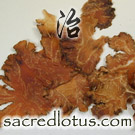 Chuan Xiong4-6 gInvigorate Blood and Remove Stagnation
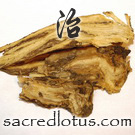 Dang Gui18-27 gTonify Blood
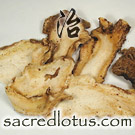 Du Huo6-9 gDispel Wind-Dampness
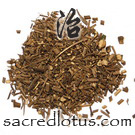 Hai Feng Teng18-27 gDispel Wind-Dampness
 Mu Xiang5-7 gRegulate the Qi
 Qiang Huo6-9 gWarm, Spicy Herbs that Release the Exterior
 Qin Jiao6-9 gDispel Wind-Dampness
 Rou Gui3-4.5 gWarm the Interior and Expel Cold
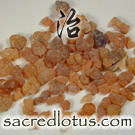 Ru Xiang5-7 gInvigorate Blood and Remove Stagnation
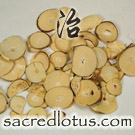 Sang Zhi18-27 gDispel Wind-Dampness
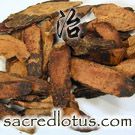 Zhi Gan Cao3-4.5 gTonify Qi
Preparation & dosage
How is Juan Bi Tang prepared?
Juan Bi Tang is prepared as a standard water decoction of the eleven herbs taken together. As with most bi-syndrome formulas, herbs are typically simmered and the decoction taken warm, and the formula is commonly adjusted to the site of pain.
- Substitution: Gui Zhi is commonly substituted for Rou Gui depending on whether the pain is concentrated in the upper body (Gui Zhi) or lower body/more chronic cold (Rou Gui).
- Site-based modification: herbs are traditionally emphasized or added according to which joints and channels are most affected (e.g., more Qiang Huo and Sang Zhi for the shoulders and arms; more Du Huo for the low back and legs).
Source: Sacred Lotus sources & references/preparation fields + Bensky & Barolet, Formulas & Strategies (standard decoction conventions for wind-damp formulas).
Decoction. Reference relative amounts: Sang Zhi, Hai Feng Teng, Dang Gui 18-27 g each; Qiang Huo, Du Huo, Qin Jiao 6-9 g each; Ru Xiang, Mu Xiang 5-7 g each; Chuan Xiong 4-6 g; Rou Gui, Zhi Gan Cao 3-4.5 g each. Gui Zhi is commonly substituted for Rou Gui. Reference only.
Safety — read before use
What are the cautions for Juan Bi Tang?
Juan Bi Tang is an acrid, warming, dispersing formula for cold-damp painful obstruction, so it is inappropriate for heat patterns — hot, red, swollen joints, a red tongue with yellow coat, or a rapid pulse call for a different strategy, not this formula. Its blood-invigorating and warming herbs also carry standard cautions of their own.
- Avoid or modify in wind-damp-heat bi and in any presentation with clear heat signs; this formula's warming herbs (Rou Gui, and the acrid-warm Qiang Huo/Du Huo) can aggravate heat.
- Pregnancy: contains blood-invigorating herbs (Chuan Xiong, Ru Xiang, Dang Gui) and warming Rou Gui — use only under professional guidance.
- Digestive tolerance: Ru Xiang (frankincense) can cause stomach upset in some individuals at higher doses; reduce the dose or take with food if this occurs.
- Not for simple acute exterior wind-damp without chronicity or blood stagnation — a lighter, purely dispersing formula is generally preferred for that presentation, reserving Juan Bi Tang for more established, whole-body bi.
Source: Bensky & Barolet, Formulas & Strategies (cautions for warming, dispersing, blood-invigorating formulas). Traditional-use framing; not medical advice.
Originally Appeared In:
- Medical Revelations (Yi Xue Xin Wu)
Notes:
How is Juan Bi Tang different from other wind-damp formulas?
Juan Bi Tang is distinguished from lighter wind-damp formulas by its addition of blood-invigorating and warming herbs for chronic, whole-body bi with some qi-blood stagnation, and it is distinguished from the older, same-named formula by which classical text it comes from.
- vs the Song-dynasty Juan Bi Tang (Yang Shi Jia Cang Fang): the older formula centers on Huang Qi and Fang Feng and leans further toward tonifying qi and blood for bi syndrome complicated by underlying deficiency; the Yi Xue Xin Wu version documented here is more purely dispersing and is favored by some later practitioners (e.g. Jiao Shude) for upper-body bi without significant Liver-Kidney deficiency.
- vs Qiang Huo Sheng Shi Tang: that formula treats acute, more superficial wind-damp attacking the back and exterior (e.g. body ache with a exterior presentation) with a lighter, purely dispersing herb set; Juan Bi Tang is heavier, adds blood-invigorating and qi-moving herbs, and suits more established, deeper, whole-body bi.
Common modification: Gui Zhi (cinnamon twig) is often substituted for Rou Gui (cinnamon bark) — Gui Zhi's lighter, more outward-moving warmth suits pain concentrated in the upper body and arms, while Rou Gui's deeper warmth suits lower-body or more stubborn cold presentations.
Source: Sacred Lotus sources & references + Bensky & Barolet, Formulas & Strategies; formula-history detail per Yi Xue Xin Wu commentary.
Clinical Studies & Research:
Is there modern research on Juan Bi Tang?
Yes, but it is almost entirely preclinical — network-pharmacology, metabolic-profiling, and animal-model studies of rheumatoid arthritis, plus one small unrelated-composition clinical pilot. The most directly relevant work analyzed the same 11-herb formulation documented here.
- Metabolic profiling + network pharmacology (preclinical): HPLC-Q-TOF profiling of the 11-herb Juan Bi Tang in collagen-induced-arthritis rats identified absorbed compounds and metabolites, with network pharmacology and molecular docking pointing to MAPK, FoxO, and Rap1 signaling pathways (PMID 34051482).
- Systems pharmacology + animal experiments (preclinical): screening of Juan-Bi decoction identified bornyl acetate as a leading active compound, with anti-inflammatory effects shown in LPS-stimulated RAW264.7 cells and a collagen-induced arthritis mouse model (PMID 38983788).
- Clinical pilot (different composition — see Discrepancies above): a 4-week open pilot in hemodialysis patients using a 9-herb formula labeled “Juan Bi Tang” reported reduced arteriovenous-fistula-related myofascial pain and improved quality of life, with no adverse events (PMID 37960730 / PMC 10637424); its herb list differs from the 11-herb Yi Xue Xin Wu formula covered here, so it is cited with that caveat rather than as direct trial evidence for this formula.
Sources: PubMed 34051482; PubMed 38983788; PubMed 37960730 (PMC 10637424). Research context, not a therapeutic claim; direct clinical trial evidence for this specific 11-herb formulation remains limited.
Sources & References
Compiled and edited by Thomas Dehli, Founder & Editor, Sacred Lotus Updated
The information here is referenced from numerous sources — teachers, practitioners, class notes from Five Branches University, the books below, and the published research literature, with citations given as resolvable PubMed identifiers. Where sources disagree, I have flagged the discrepancies directly. If facts couldn't be verified, I have left them out. How we source our content.
Reference information for students and practitioners — not medical advice. Consult a qualified practitioner. Terms of use.
Chinese Formulas Books & References
 https://amzn.to/4fYI3f8
 https://amzn.to/4j55NRA
 https://amzn.to/4gMROyv
 https://amzn.to/4h7msSK