
Hui Chun Dan
Return of Spring Special Pill
- Category
- Formulas that Open the Orifices
- Subcategory
- Formulas that Clear Heat and Open the Orifices
- Ingredients
- 19 herbs
Actions
What does Hui Chun Dan do?
Hui Chun Dan (Return of Spring Special Pill) opens the sensory orifices, arrests spasms and convulsions, clears heat, and transforms phlegm. It is a classical pediatric emergency formula, historically compounded for acute childhood fright-wind (convulsions) arising from phlegm-heat that obstructs the Heart orifices and stirs internal Liver wind.
The nineteen ingredients (per Sacred Lotus sources & references, cross-checked against Bensky & Barolet) divide functionally:
- Orifice-opening / consciousness-restoring chiefs: Niu Huang (Calculus Bovis) clears Heart heat, resolves toxin, and opens the orifices; She Xiang (Musk) is powerfully aromatic and opens the orifices to help revive consciousness.
- Wind-extinguishing / anticonvulsant deputies: Tian Ma and Gou Teng clear Liver heat and extinguish wind; Quan Xie (Scorpion) and Jiang Can (Silkworm) are wind-extinguishing insect substances that stop spasms and convulsions.
- Phlegm-resolving assistants: Tian Zhu Huang, Chuan Bei Mu, Dan Nan Xing, and Ban Xia clear phlegm-heat and dry the phlegm feeding the wind.
- Qi-regulating aromatic assistants: Chen Pi, Bai Dou Kou, Tan Xiang, Mu Xiang, Zhi Ke, and Chen Xiang move qi so the rich, heavy ingredients do not stagnate, and help settle the nausea, vomiting, and abdominal symptoms that often accompany the pattern; Da Huang purges heat downward through the bowels.
- Envoy: Gan Cao harmonizes the formula.
- Special mineral addition: Zhu Sha (Cinnabar) is traditionally included (often as the pill’s coating) to settle the Heart and calm agitation — see cautions for its toxicity.
Source: Sacred Lotus sources & references + Bensky & Barolet, Formulas & Strategies (chief/deputy/assistant/envoy analysis), cross-checked against independent formula-reference summaries. Traditional-use framing; not medical advice.
Indications
What is Hui Chun Dan used for?
Hui Chun Dan treats acute infantile convulsion (fright-wind) caused by phlegm-heat obstructing the Heart orifices and stirring internal Liver wind — an acute excess-pattern pediatric presentation, not the chronic, deficiency-type childhood convulsions that arise from declining Spleen-Kidney yang.
Its classic presentation, per Bensky & Barolet and cross-checked formula references:
- Heat / consciousness signs: fever, restlessness, dysphoria, impaired consciousness or coma.
- Wind signs: convulsions and spasms.
- Phlegm signs: phlegm-rattling in the throat, cough with copious sputum, wheezing.
- Associated digestive signs: nausea, vomiting (including regurgitating milk), night crying, diarrhea, and abdominal pain.
Hui Chun Dan belongs to the “formulas that clear heat and open the orifices” subcategory within the broader “formulas that open the orifices” category (per Sacred Lotus sources & references category/subcategory fields) — see notes for how it relates to the adult-oriented cool-opening formulas in the same family.
Source: Sacred Lotus category/subcategory fields + Bensky & Barolet, Formulas & Strategies, cross-checked against independent formula-reference summaries. Traditional-use framing; not medical advice.
Western Uses:
What is Hui Chun Dan used for in modern practice?
In modern practice, Hui Chun Dan’s traditional phlegm-heat/convulsion pattern has historically been referenced against conditions such as acute encephalitis, meningitis, febrile childhood convulsions, and high fever accompanying measles — contexts where Western medicine recognizes fever, altered consciousness, and seizure activity in children.
This biomedical correlate is offered as reference to the formula’s traditional use only, not as a claim that it treats any diagnosed disease. The classical recipe contains a toxic mineral (cinnabar) and an animal product from a species of conservation concern (musk), so any commercially manufactured product sold under this or a similar name (also seen as Xiao Er Hui Chun Dan or Wan Bing Hui Chun Dan) should be checked against current regulatory formulation and labeling in the buyer’s jurisdiction. Any therapeutic use of the traditional or a reformulated version belongs with a qualified, licensed practitioner operating within applicable law — never as a home or over-the-counter remedy for a child.
Source: traditional-use correlates summarized from Bensky & Barolet, Formulas & Strategies, cross-checked against independent formula-reference sources; reference only, not a treatment claim.
Ingredients
19 substances in Hui Chun Dan — each links to its full herb monograph.
 Bai Dou Kou37.5 gAromatic Herbs that Transform and Dissolve Dampness
 Ban Xia37.5 gWarm Herbs that Transform Phlegm-Cold
 Chen Pi37.5 gRegulate the Qi
 Chen Xiang37.5 gRegulate the Qi
 Chuan Bei Mu37.5 gCool and Transform Phlegm-Heat
 Da Huang60 gPurgatives
 Dan Nan Xing60 gCool and Transform Phlegm-Heat
 Gan Cao26.25 gTonify Qi
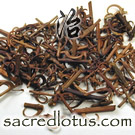 Gou Teng24 gExtinguish Wind and Stop Tremors
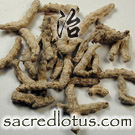 Jiang Can37.5 gExtinguish Wind and Stop Tremors
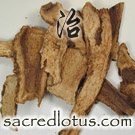 Mu Xiang37.5 gRegulate the QiNo specimen photographNiu Huang12 gAromatic Substances that Open the Orifices
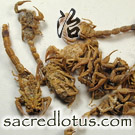 Quan Xie37.5 gExtinguish Wind and Stop TremorsNo specimen photographShe Xiang12 gAromatic Substances that Open the Orifices
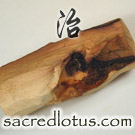 Tan Xiang37.5 gRegulate the Qi
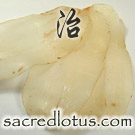 Tian Ma37.5 gExtinguish Wind and Stop Tremors
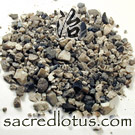 Tian Zhu Huang37.5 gCool and Transform Phlegm-Heat
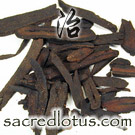 Zhi Ke37.5 gRegulate the QiNo specimen photographZhu Sha0.3-1.8 gAnchor, Settle, and Calm the Spirit
Preparation & dosage
How is Hui Chun Dan prepared?
Hui Chun Dan is classically a manufactured pill, not a formula decocted at home. The traditional method grinds the nineteen substances into a fine, even powder and forms it into small pills, historically finished with a Zhu Sha (cinnabar) coating that gives the pills their characteristic vermillion color.
This is a historical/manufacturing description for reference purposes only. It is not instruction for home preparation: several classical ingredients are toxic or of conservation concern, and any modern commercially manufactured product should be sourced and used only under professional and regulatory guidance, particularly given its intended pediatric use (see cautions and the Western Uses section).
Source: classical preparation method summarized from Bensky & Barolet, Formulas & Strategies and cross-checked against independent formula-reference sources. Reference only.
Historical reference only — not administration or dosing guidance. Classical base recipe (per Sacred Lotus sources & references, gram amounts consistent across sources): Dan Nan Xing, Da Huang 60 g each; Tian Zhu Huang, Chuan Bei Mu, Quan Xie, Tian Ma, Jiang Can, Chen Pi, Ban Xia, Bai Dou Kou, Tan Xiang, Mu Xiang, Zhi Ke, Chen Xiang 37.5 g each; Gou Teng 24 g; Gan Cao 26.25 g; Niu Huang, She Xiang 12 g each; Zhu Sha 0.3–1.8 g. This is a classical manufacturing ratio, not a per-dose or per-pill amount, and is not a recommendation for compounding or administering the formula. Because the recipe contains a toxic mineral and a pediatric intended-use, any therapeutic use is restricted to licensed practitioners under applicable regulation.
Safety — read before use
What are the cautions for Hui Chun Dan?
Hui Chun Dan is a practitioner-only pediatric emergency formula, not a general or home remedy, and its classical recipe contains substances that are toxic and/or of conservation concern. The following is public-safety reference information, not dosing or administration guidance.
- Cinnabar (Zhu Sha): a mercury sulfide mineral. Toxicology review finds cinnabar has relatively low acute toxicity compared with other mercury forms, but long-term or excessive use has been associated with renal (kidney) dysfunction from mercury accumulation; the Chinese Pharmacopoeia sets a maximum internal dose and prohibits heating cinnabar, which releases toxic mercury vapor and sharply increases its hazard (PMID 18445765).
- Musk (She Xiang): the dried secretion of the musk sac of the male musk deer (Moschus spp.). Musk deer populations are internationally protected under CITES (Appendix I for several range-country populations, Appendix II elsewhere) and rated Vulnerable to Endangered by the IUCN Red List; most modern products use farmed or synthetic musk rather than wild-sourced material.
- Scorpion (Quan Xie) and silkworm (Jiang Can): animal/insect substances classed as slightly toxic at customary doses; correct species identity and processing are the practical safety considerations (PMID 34252912; PMID 29053625 / PMC 6151799).
- Sandalwood (Tan Xiang): Santalum album is rated Vulnerable on the IUCN Red List owing to overharvesting for wood and oil.
- Pregnancy: contraindicated — the formula contains Musk (a strong blood-moving abortifacient) and the purgative Da Huang.
- Pattern fit: inappropriate for chronic childhood convulsions arising from Spleen-Kidney yang deficiency, or for any presentation without clear excess phlegm-heat and wind signs.
Sources: PubMed 18445765 (cinnabar/mercury toxicology review); PubMed 34252912 (scorpion venom neurotoxic peptides); PubMed 29053625 / PMC 6151799 (Jiang Can pharmacology review); CITES Appendices and IUCN Red List (Moschus spp., Santalum album); Bensky & Barolet, Formulas & Strategies (formula pattern and contraindications). Reference information only; not administration or dosing guidance, and not medical advice.
Originally Appeared In:
- Herbal Teachings from the Respectfully Decorated Hall (Jing Xiu Tang Yao Shuo)
Notes:
How does Hui Chun Dan compare to An Gong Niu Huang Wan, Zhi Bao Dan, and Zi Xue Dan?
Hui Chun Dan shares its orifice-opening core (Niu Huang, She Xiang, Zhu Sha) with the “Three Treasures” (San Bao) cool-opening formulas — An Gong Niu Huang Wan, Zhi Bao Dan, and Zi Xue Dan — but is built specifically for children. Where the Three Treasures are weighted toward the strongest possible heat-clearing and orifice-opening minerals and animal parts for adult heat-toxin coma, Hui Chun Dan adds a substantial secondary layer of phlegm-transforming herbs (Tian Zhu Huang, Chuan Bei Mu, Dan Nan Xing, Ban Xia) and gentler qi-regulating aromatics (Chen Pi, Mu Xiang, Zhi Ke, Chen Xiang) suited to a child’s digestive and respiratory presentation alongside the convulsion.
- vs An Gong Niu Huang Wan: An Gong is favored for the strongest heat-clearing action in adult heat-toxin coma with a “muddled, confused” presentation and less convulsive activity.
- vs Zhi Bao Dan: Zhi Bao Dan is favored when phlegm misting the orifices dominates — a quiet, unresponsive presentation without prominent seizures.
- vs Zi Xue Dan: Zi Xue Dan is favored when internal wind and agitation are most prominent in an adult or child excess-heat crisis.
Hui Chun Dan is also known as Xiao Er Hui Chun Dan or Wan Bing Hui Chun Dan (“Return of Spring for the Ten Thousand Diseases”), reflecting its historical use as an all-purpose pediatric emergency pill, particularly in southern China (Guangdong), Hong Kong, and overseas Chinese communities.
Source: comparison summarized from Bensky & Barolet, Formulas & Strategies (orifice-opening formula category) cross-checked against independent formula-reference summaries.
Clinical Studies & Research:
Is there modern research on Hui Chun Dan?
Direct clinical-trial or formula-level pharmacology research on Hui Chun Dan itself was not found in PubMed/PMC searches conducted for this entry. The verifiable modern evidence instead sits at the level of its individual toxic/potent constituents, which is also the most safety-relevant research for a pediatric formula like this one.
- Cinnabar/mercury (toxicology): a review of cinnabar (mercury sulfide) found relatively low acute oral toxicity compared with other mercury compounds, but noted renal accumulation and dysfunction with long-term or excessive use (PMID 18445765).
- Scorpion venom (pharmacology): research on scorpion (Quan Xie) venom describes neurotoxic peptides acting on voltage-gated sodium channels including Nav1.7 (PMID 34252912).
- Silkworm (Jiang Can, pharmacology review): a review of Bombyx Batryticatus notes it is regarded as low-toxicity at customary doses but that its toxic constituents and quality control still warrant further study (PMID 29053625 / PMC 6151799).
Sources: PubMed 18445765; PubMed 34252912; PubMed 29053625 / PMC 6151799. Research context only, not a therapeutic claim; direct clinical evidence for the formula itself remains unverified/absent as of this writing.
Sources & References
Compiled and edited by Thomas Dehli, Founder & Editor, Sacred Lotus Updated
The information here is referenced from numerous sources — teachers, practitioners, class notes from Five Branches University, the books below, and the published research literature, with citations given as resolvable PubMed identifiers. Where sources disagree, I have flagged the discrepancies directly. If facts couldn't be verified, I have left them out. How we source our content.
Reference information for students and practitioners — not medical advice. Consult a qualified practitioner. Terms of use.
Chinese Formulas Books & References
 https://amzn.to/4fYI3f8
 https://amzn.to/4j55NRA
 https://amzn.to/4gMROyv
 https://amzn.to/4h7msSK