
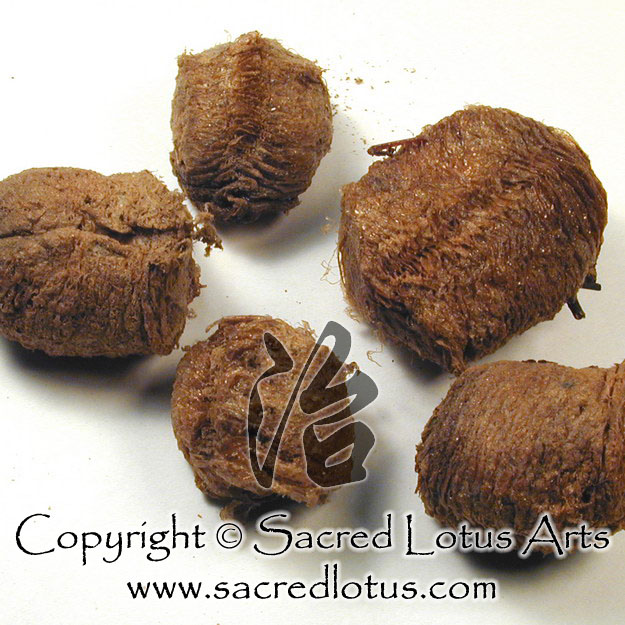
Ootheca Mantidis Mantis Egg Case
Materia Medica Data
- Category
- Herbs that Astringe, Stabilize, Bind
- Temperature
- Neutral
- Nature & Flavour
- Sweet, Salty, Neutral
- Channels Entered
- KI, LIV
- Latin (pharmaceutical)
- Ootheca Mantidis
- Chinese
- 桑螵蛸
- Tone Marks
- sāng piāo xiāo
Chinese Herb Actions
What is Sang Piao Xiao used for in Chinese medicine?
Sang Piao Xiao (Mantis Egg Case, Ootheca Mantidis) is a sweet, salty, neutral substance traditionally used to stabilize the Kidney and bind essence, assist Kidney yang, and control urination — for enuresis (bedwetting), frequent urination, spermatorrhea, and vaginal discharge arising from Kidney deficiency. It is an insect-derived substance (the egg case of the praying mantis, classically gathered from mulberry branches) that sits in the “herbs that astringe, stabilize, bind” category and enters the Kidney and Liver channels.
Its main traditional actions:
- Stabilizes the Kidney & binds essence — spermatorrhea and seminal emission from Kidney deficiency.
- Assists Kidney yang & controls urination — childhood enuresis, urinary frequency, and dribbling urine, especially where Kidney yang/qi fails to secure the bladder.
- Astringes and stops vaginal discharge — leukorrhea associated with Kidney deficiency.
It is the chief herb in Sang Piao Xiao San (Mantis Egg-Case Powder), where it is combined with herbs that calm the Heart and settle the spirit for a Heart-Kidney disharmony pattern of forgetfulness, frequent or cloudy urination, and restlessness.
Source: this site’s own identity record (properties, channels, category, Sang Piao Xiao San formula link); Bensky, Materia Medica (3rd ed.); Chen & Chen, Chinese Herbal Medicine: Materia Medica. Traditional-use framing; not medical advice.
Chinese Herb Dosage
What is the typical dosage of Sang Piao Xiao, and how is it prepared?
Roughly 3–9 g in decoction (some sources give up to 10 g). Within the classical formula Sang Piao Xiao San, the Sacred Lotus formula database records it dosed higher, at 9–12 g, reflecting its role as chief herb alongside seven supporting herbs. A salt-processed form (Yan Chao Sang Piao Xiao) is sometimes used to enhance its entry into the Kidney channel and strengthen its astringent action.
Processing note: raw mantis egg case still contains developing mantis eggs/nymphs; standard preparation is to clean and steam the egg cases (commonly around an hour) before drying, which kills the eggs and is also traditionally said to remove a diarrhea-inducing effect of the unprocessed material. Unsteamed material is not used medicinally.
Source: Sang Piao Xiao San formula composition (this site’s own record, 9–12 g); Bensky, Materia Medica (3rd ed.); Chen & Chen, Chinese Herbal Medicine: Materia Medica (processing). Reference only — not a prescription.
Chinese Herb Contraindications & Cautions
Are there cautions for Sang Piao Xiao?
Materia medica sources contraindicate Sang Piao Xiao in yin deficiency with heat signs and in damp-heat of the bladder, since as a warming, astringent, yang-assisting substance it can aggravate heat or trap dampness. Classical cautions also warn that excessive dosing can itself cause dark urine, penile pain, and excessive erections with loss of essence — so it is used in modest amounts, particularly where spermatorrhea or urinary incontinence is already present.
- Animal-derived (reference note) — Sang Piao Xiao is an insect product (mantis egg case), not suitable for vegetarians or vegans; it must be steamed to destroy the eggs before use (see dosage/preparation).
- Sourcing/authenticity (reference note) — commercial material is documented to include mixed and pest-contaminated egg cases from more than the officially recognized mantis species (see research, below); genuine, properly processed material matters for both safety and identity.
Source: Bensky, Materia Medica (3rd ed.); Chen & Chen, Chinese Herbal Medicine: Materia Medica; authentication research (below). Animal-source and sourcing points are neutral reference disclosures.
Chinese Herb Toxicity & Overdose
No significant toxicity is documented for properly processed (steamed) Sang Piao Xiao at traditional doses. As an insect-derived substance it carries the general caution of any animal product (potential allergen; must be authentically sourced and steamed to destroy the eggs before use). The main safety/quality concern identified in modern research is not intrinsic toxicity but species substitution and pest contamination in commercial supply — DNA metabarcoding of commercial samples found mixed mantis species and storage-pest contamination complicating authentication (see research, below).
Source: materia medica consensus; DNA metabarcoding quality-control research, PMID 36271325 (below). Reference note, not a safety guarantee.
Herb-Drug Interactions
No well-established clinical herb–drug interactions are documented for Sang Piao Xiao. A 2017 mechanistic study found that a mantis-egg-case extract produced dose-dependent vascular relaxation via nitric-oxide/cGMP/PKG signaling in endothelial tissue (PMID 28614771) — a preclinical finding, not a clinical interaction, but reasonable grounds for practitioner awareness in patients taking antihypertensive or vasodilator medication. (Extrapolated from preclinical pharmacology, not a demonstrated clinical interaction; flagged for practitioner confirmation.)
Western / Biomedical Research
Chinese Herb Clinical Studies & Research
Provided as research context — a summary of published biomedical study, not a therapeutic or medical claim.
Is there modern research on Sang Piao Xiao (Ootheca Mantidis)?
Yes — preclinical pharmacology and quality-control research, though no human clinical trials of Sang Piao Xiao as a TCM substance were found. Modern studies support several traditional themes (Kidney/renal-protective and urinary actions) while also documenting real quality-control challenges in commercial supply.
- Renal fibrosis (mouse model) — in a unilateral-ureteral-obstruction mouse model, an Ootheca Mantidis extract dose-dependently reduced renal interstitial fibrosis and apoptosis, associated with increased gut abundance of Akkermansia muciniphila and changes in glutamine-related amino-acid metabolism; colonizing mice with A. muciniphila or supplementing glutamine reproduced the protective effect. Animal study; relevant to the herb’s traditional Kidney-protective reputation but not clinical proof.
- Vascular relaxation — an aqueous mantis-egg-case extract produced dose-dependent relaxation of rat aortic rings and activated nitric-oxide/cGMP/protein-kinase-G signaling in human endothelial cells, an endothelium-dependent, PI3K/Akt-mediated mechanism. Preclinical (rat tissue and cell culture).
- Chemical constituents & antioxidant activity — three new N-acetyldopamine derivatives (tenoderin A enantiomers and tenoderin B), plus thirteen known compounds, were isolated from Tenodera angustipennis egg cases; the new compounds scavenged DPPH/ABTS free radicals and reduced intracellular reactive-oxygen-species generation in human endothelial cells. Laboratory/chemistry study.
- Species authentication / quality control — DNA metabarcoding of 4,580 pooled commercial Mantidis Ootheca specimens from 18 Chinese sources confirmed material from the Pharmacopoeia-listed species Tenodera sinensis and Hierodula patellifera, but also detected Tenodera angustipennis (not an officially listed source species) and widespread contamination by storage pests, underscoring authentication challenges in the commercial supply chain.
Human clinical-trial evidence specific to Sang Piao Xiao itself was not found; current support is preclinical (animal/cell/chemistry) plus compositional quality-control data.
Note: The Chinese Pharmacopoeia recognizes three source species for Sang Piao Xiao (Tenodera sinensis, Statilia maculata, Hierodula patellifera). Commercial DNA-testing research (PMID 36271325) found egg cases from the related species Tenodera angustipennis also present in the market supply, and pharmacology research on the chemical constituents (PMID 33920120) used Tenodera angustipennis specifically. We treat these as the same traditional drug (mantis egg case) sourced across several closely related mantis species, consistent with this site’s single Latin name Ootheca Mantidis; flagged for owner awareness rather than a change to the identity field.
Sources: PMID 37677965, DOI 10.1016/j.biopha.2023.115434 (renal fibrosis, mouse UUO model); PMID 28614771 (vascular relaxation, rat aorta/HUVEC); PMID 33920120 (chemical constituents/antioxidant, T. angustipennis); PMID 36271325 (DNA metabarcoding species/quality-control study, BMC Genomics). Research context, not a therapeutic claim.
Chinese Herb Notes
What are Sang Piao Xiao’s key combinations, and how is it different from Qian Shi and Jin Ying Zi?
Sang Piao Xiao shares the Kidney-stabilizing, essence-binding action of Qian Shi and Jin Ying Zi, but it is distinguished by also assisting Kidney yang and being the chief herb of a dedicated formula for Heart-Kidney disharmony with forgetfulness and cloudy urination — an action the other two do not share.
- Qian Shi — also tonifies the Spleen and stops diarrhea; more dampness-resolving.
- Jin Ying Zi — also astringes the Intestines and Lung; more sour/astringent, less warming to yang.
- Sang Piao Xiao — assists Kidney yang in addition to binding essence and controlling urination; classically paired with the mind/spirit-calming herbs of Sang Piao Xiao San.
Common combinations: as chief herb in Sang Piao Xiao San (Mantis Egg-Case Powder), with Long Gu, Ren Shen, Fu Shen, Yuan Zhi, Shi Chang Pu, Gui Ban, and Dang Gui — for forgetfulness, frequent or cloudy urination, and unsettled spirit from combined Heart and Kidney deficiency. It is also grouped with other Kidney-astringent herbs such as Qian Shi and Fu Pen Zi for urinary frequency and incontinence. (Traditional formula context, not treatment advice.)
Source: this site’s own formula link (Sang Piao Xiao San herb list); Bensky, Materia Medica (3rd ed.); Chen & Chen, Chinese Herbal Medicine: Materia Medica (differentiation).
Sources & References
Compiled and edited by Thomas Dehli, Founder & Editor, Sacred Lotus Updated
The information here is referenced from numerous sources — teachers, practitioners, class notes from Five Branches University, the books below, and the published research literature, with citations given as resolvable PubMed identifiers. Where sources disagree, I have flagged the discrepancies directly. If facts couldn't be verified, I have left them out. How we source our content.
Reference information for students and practitioners — not medical advice. Consult a qualified practitioner. Terms of use.
Chinese Herbs Books & References
 https://amzn.to/3WfB3DK
 https://amzn.to/3DR1VUh
 https://amzn.to/42aMz73
 https://amzn.to/3PuD4bt