

Gan Mai Da Zao Tang (Licorice, Wheat, and Jujube Decoction)
Gan Mai Da Zao Tang
Licorice, Wheat, and Jujube Decoction
- Category
- Formulas that Calm the Spirit
- Ingredients
- 3 herbs
Actions
What does Gan Mai Da Zao Tang do?
Gan Mai Da Zao Tang nourishes Heart yin, calms the spirit (Shen), and harmonizes the Middle Burner — a gentle, sweet, food-grade formula built from only three common foodstuffs, for emotional lability arising from a depleted, under-nourished Heart rather than from an excess pathogen.
- Nourishes Heart yin and calms the spirit — the wheat ingredient settles the mind and eases restlessness by replenishing what the overtaxed Heart lacks.
- Tonifies Qi and moderates urgency — Gan Cao’s sweet, moderating nature eases the abrupt, spasmodic quality of the crying/yawning episodes and supports Spleen/Stomach qi.
- Nourishes Blood and harmonizes the Middle — Da Zao builds Blood and Qi and softens the whole formula, rounding out its gentle, food-like character.
Because all three ingredients are sweet, moistening, and food-grade, the formula treats emotional distress by quietly replenishing rather than by sedating or suppressing.
Source: Jin Gui Yao Lue (Zhang Zhongjing, Han dynasty); Bensky & Barolet, Formulas & Strategies (2nd ed.); cross-referenced against multiple online sources.
Indications
What is Gan Mai Da Zao Tang used for?
Gan Mai Da Zao Tang is the classical formula for “zang zao” (restless organ disorder) — a pattern of emotional lability from Heart-yin depletion, marked by sudden, uncontrollable crying and a sense of being unable to master one’s own emotions. It comes from the Jin Gui Yao Lue’s chapter on women’s disorders, though it is used for anyone presenting the zang zao picture.
- Sudden, uncontrollable crying spells, often without an obvious trigger
- Frequent yawning and stretching
- Restlessness, irritability, or a sense of not being in control of one’s own emotional state
- Disturbed sleep and mental unease from a depleted, under-nourished Heart
- Perimenstrual, postpartum, or menopausal emotional lability presenting with the same picture
Tongue and pulse: a red tongue with a thin coat; a thin, rapid pulse — both consistent with yin depletion rather than an excess pathogen.
Source: Jin Gui Yao Lue (Zhang Zhongjing); Sacred Lotus sources & references on pattern/tongue/pulse (already on file); cross-referenced against multiple online sources.
Western Uses:
What conditions is Gan Mai Da Zao Tang used for in modern practice?
Gan Mai Da Zao Tang treats "restless organ syndrome" (zang zao) — emotional lability, uncontrollable crying, agitation and disturbed sleep from Heart/Spleen depletion — so it is referenced for emotional and neuropsychiatric presentations: "hysteria" (in the historical sense), manic-type agitation, and convulsions.
It is chosen for the zang-zao pattern, not for a diagnosis. A mental-health crisis, an acute manic state, and convulsions are medical emergencies requiring proper psychiatric or neurological care; this gentle formula is a traditional support, never a substitute. Traditional-use correlates only, not a treatment claim.
Source: Sacred Lotus sources & references (pattern) + Bensky & Barolet, Formulas & Strategies; biomedical correlates as reference only. Not medical advice.
Ingredients
3 substances in Gan Mai Da Zao Tang — each links to its full herb monograph.
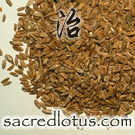
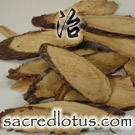
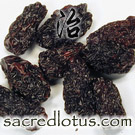
Preparation & dosage
How is Gan Mai Da Zao Tang prepared?
A simple decoction of all three ingredients simmered together and taken warm. Reflecting the formula’s food-therapy character, it requires no special processing of any single ingredient, and is sometimes prepared at home as a mild, food-grade remedy rather than a decoction requiring a pharmacy. It can be taken as a regular daily drink through an episode of emotional lability rather than reserved for a single acute dose.
Source: Jin Gui Yao Lue (Zhang Zhongjing); Bensky & Barolet, Formulas & Strategies (2nd ed.); cross-referenced against multiple online sources.
Safety — read before use
What are the cautions for Gan Mai Da Zao Tang?
Gan Mai Da Zao Tang is one of the gentlest formulas in the TCM repertoire, but “food-grade” does not mean caution-free.
- Wheat/gluten: both Fu Xiao Mai and classical Xiao Mai are wheat products; the formula is not suitable for those with celiac disease or a diagnosed wheat allergy.
- Long-term, high-dose licorice (Gan Cao): chronic high-dose licorice intake is associated with a pseudoaldosterone-like effect — sodium/fluid retention, elevated blood pressure, and low potassium — so extended daily use, especially at higher doses, warrants attention in those with hypertension, edema, or kidney disease.
- Not a substitute for care of major depression or an acute psychiatric crisis: zang zao overlaps in presentation with clinical depression, postpartum depression, and other mood disorders that require proper diagnosis and, where indicated, professional mental-health care; this formula is traditional-use support, not treatment for a diagnosed psychiatric condition.
- Pattern match matters: intended for the deficiency-type restlessness of zang zao; it is not built for agitation from excess heat or phlegm-fire, which calls for heat-clearing or phlegm-resolving formulas instead.
Source: Bensky & Barolet, Formulas & Strategies (2nd ed.); cross-referenced against multiple online sources (licorice/glycyrrhizin safety). Not a substitute for professional advice.
Originally Appeared In:
- Essentials from the Golden Cabinet (Jin Gui Yao Lue)
Notes:
How does Gan Mai Da Zao Tang differ from other spirit-calming formulas?
Gan Mai Da Zao Tang calms the spirit by gently nourishing a deficient Heart; most other spirit-calming formulas instead sedate an agitated Shen or address a more complex underlying pattern.
- vs Suan Zao Ren Tang: built for insomnia from Liver-blood deficiency with heat, combining a stronger blood-nourishing/sedative herb (Suan Zao Ren) with heat-clearing and qi-regulating herbs — a more targeted sleep formula rather than a broad emotional-lability formula.
- vs Bai He Di Huang Tang: treats “lily disease” (bai he bing), another Jin Gui Yao Lue disorder with vague physical and emotional complaints, but from yin deficiency with mild heat rather than the acute emotional outbursts of zang zao.
- vs Tian Wang Bu Xin Dan: a much larger, more complex formula for chronic Heart/Kidney yin deficiency with insomnia and palpitations, built for sustained deficiency rather than the acute, episodic crying of zang zao.
Gan Mai Da Zao Tang comes from the Jin Gui Yao Lue (“Essential Prescriptions of the Golden Cabinet”), attributed to Zhang Zhongjing (Han dynasty), in the chapter on miscellaneous disorders of women — though modern practice applies it to zang zao regardless of sex. It is frequently combined with Suan Zao Ren Tang, or modified with added Fu Ling and Bai He, when insomnia or lingering yin-deficiency symptoms accompany the emotional lability.
Source: Jin Gui Yao Lue (Zhang Zhongjing); Bensky & Barolet, Formulas & Strategies (2nd ed.); cross-referenced against multiple online sources.
Clinical Studies & Research:
Is there modern research on Gan Mai Da Zao Tang?
Yes — clinical and animal research has explored the formula for depression and anxiety, broadly supporting its traditional use for mood disturbance, though clinical evidence quality is mixed.
- Depression (systematic review and meta-analysis of RCTs): a review of 13 randomized controlled trials found the formula performed better than antidepressants specifically for post-stroke depression, but did not show superiority over antidepressants for major depression, post-surgical depression, or depression in the elderly; the authors noted the supporting evidence was low quality due to a high risk of bias in the underlying trials (PMID 25262476, Maturitas 2014).
- Anxiolytic mechanism (animal study): in mice, the formula reduced anxiety-like behavior at higher doses without impairing motor coordination, and blocking GABA-A or 5-HT1A receptors eliminated the effect — suggesting it works through the same GABA and serotonin pathways targeted by conventional anti-anxiety medication (PMID 30723393, Front Neurosci 2019).
- Neuropsychiatric disorders (systematic review of animal models): a review of six randomized animal studies found the formula improved outcomes across models of psychological stress, post-traumatic stress, and depression, while noting more rigorous research is still needed (PMID 28392956, J Pharmacopuncture 2017).
Sources: PubMed 25262476; PubMed 30723393; PubMed 28392956. Research context only, not a therapeutic claim; persistent or severe mood symptoms warrant professional evaluation.
Sources & References
Compiled and edited by Thomas Dehli, Founder & Editor, Sacred Lotus Updated
The information here is referenced from numerous sources — teachers, practitioners, class notes from Five Branches University, the books below, and the published research literature, with citations given as resolvable PubMed identifiers. Where sources disagree, I have flagged the discrepancies directly. If facts couldn't be verified, I have left them out. How we source our content.
Reference information for students and practitioners — not medical advice. Consult a qualified practitioner. Terms of use.
Chinese Formulas Books & References
 https://amzn.to/4fYI3f8
 https://amzn.to/4j55NRA
 https://amzn.to/4gMROyv
 https://amzn.to/4h7msSK